1-day private tour · Morocco
10-Day Morocco Photography Tour: Marrakech to Chefchaouen
A private 10-day Morocco photography tour built around the light, not the clock — Marrakech at blue hour, sunset on Ait Ben Haddou, two mornings on the Erg Chebbi dunes, the dyers' pits of Fes from the terraces, and Chefchaouen before the crowds wake.
About This Tour
· Morocco
This private 10-day Morocco photography tour is planned around light rather than opening hours. You are at the kasbah when the walls turn copper, on the dunes before the sun clears the horizon, and in the blue streets of Chefchaouen an hour before the first tour group arrives. The route runs one way, Marrakech to the Rif, so no day is spent driving back over ground you have already shot.
It is built for people who travel with a camera and want time to use it: a driver-guide who knows where the light falls and will wait while you work, early starts written into the itinerary instead of bolted on, and official licensed guides in Marrakech and Fes who can reach the rooftops and workshops that matter.
Tour Highlights
The best of this journey
Photo Gallery
10-Day Morocco Photography Tour: Marrakech to Chefchaouen
Tour Itinerary
Day by day, 10 days
-
Iti1
Day 1: Arrive Marrakech — Jemaa el-Fna at blue hour
Your driver meets you at Marrakech airport and takes you to your riad inside the medina. Time to settle, then up to a rooftop above Jemaa el-Fna for the twenty minutes after sunset when the food stalls light up and the sky still holds colour.
The first morning is deliberately gentle, so an early start is not wasted on jet lag.
Today is on foot with a licensed local guide, because the old city is a place you have to be walked through to understand.
In Marrakech that usually means the Koutoubia minaret, the Bahia palace, the Saadian tombs and the souks behind Jemaa el-Fna, ending in the square itself as the food stalls are lit.
The Bahia palace was built for a grand vizier who wanted every room to open onto a courtyard, and its painted cedar ceilings took craftsmen years.
Jemaa el-Fna is worth timing for dusk, when the food stalls are lit and the storytellers and musicians take over the square.
-
Iti2
Day 2: Marrakech — dawn medina, palaces, Majorelle
Out before six into the souks while they are still shuttered and empty. The lanes are quiet, the light is soft and raking, and the few people about are bakers and porters rather than shoppers.
After breakfast an official licensed Marrakech guide takes you through Bahia Palace, the Ben Youssef Madrasa and the Saadian Tombs — he knows which courtyards catch the sun at which hour. Late afternoon at the Jardin Majorelle, and a second evening on the square if the first one clouded over.
Today is on foot with a licensed local guide, because the old city is a place you have to be walked through to understand.
In Marrakech that usually means the Koutoubia minaret, the Bahia palace, the Saadian tombs and the souks behind Jemaa el-Fna, ending in the square itself as the food stalls are lit.
The Ben Youssef madrasa housed students for four centuries, and its carved stucco and zellij are the finest surviving work of their kind in the city.
The Bahia palace was built for a grand vizier who wanted every room to open onto a courtyard, and its painted cedar ceilings took craftsmen years.
-
Iti3
Day 3: Marrakech to Ait Ben Haddou over the Tizi n'Tichka
We cross the High Atlas on the Tizi n'Tichka pass, stopping where the switchbacks open out and in a Berber village or two on the way down.
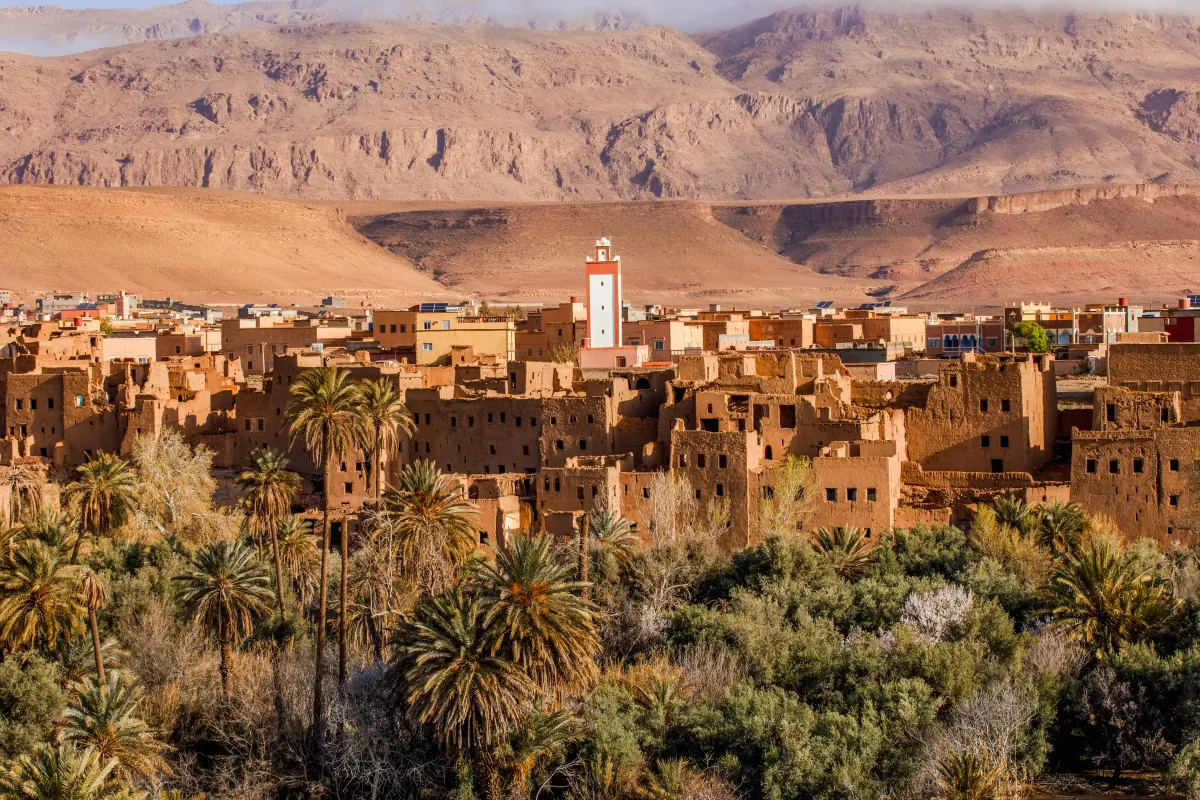
We reach Ait Ben Haddou in the afternoon so you can walk the kasbah while it is still quiet, then shoot it from across the riverbed as the sun goes down and the mud brick turns from ochre to deep orange. You sleep facing it.
-
Iti4
Day 4: Ait Ben Haddou sunrise, Skoura and the Dades Valley
Back out at first light. The early sun hits the kasbah from the opposite side to last night's, and at that hour you will usually have the whole place to yourself.
Then Ouarzazate and the film studios, the Skoura palm grove with its old earthen kasbahs half-swallowed by palms, and the Valley of Roses. We finish in the Dades Valley, where the road climbs in tight loops that photograph best from above in the last hour of light.
-
Iti5
Day 5: Todra Gorge and out to the Erg Chebbi dunes
Morning in the Todra Gorge, timed for when the sun drops far enough to light the canyon floor rather than just the rim.
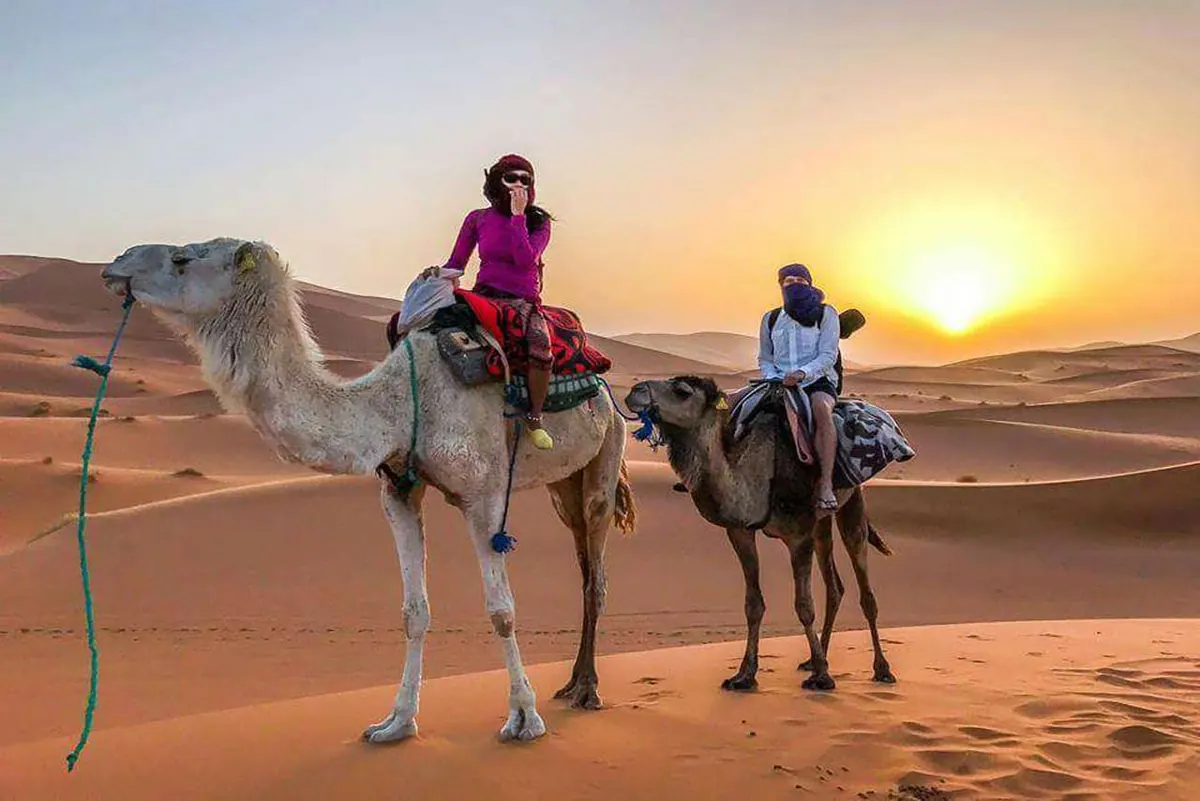
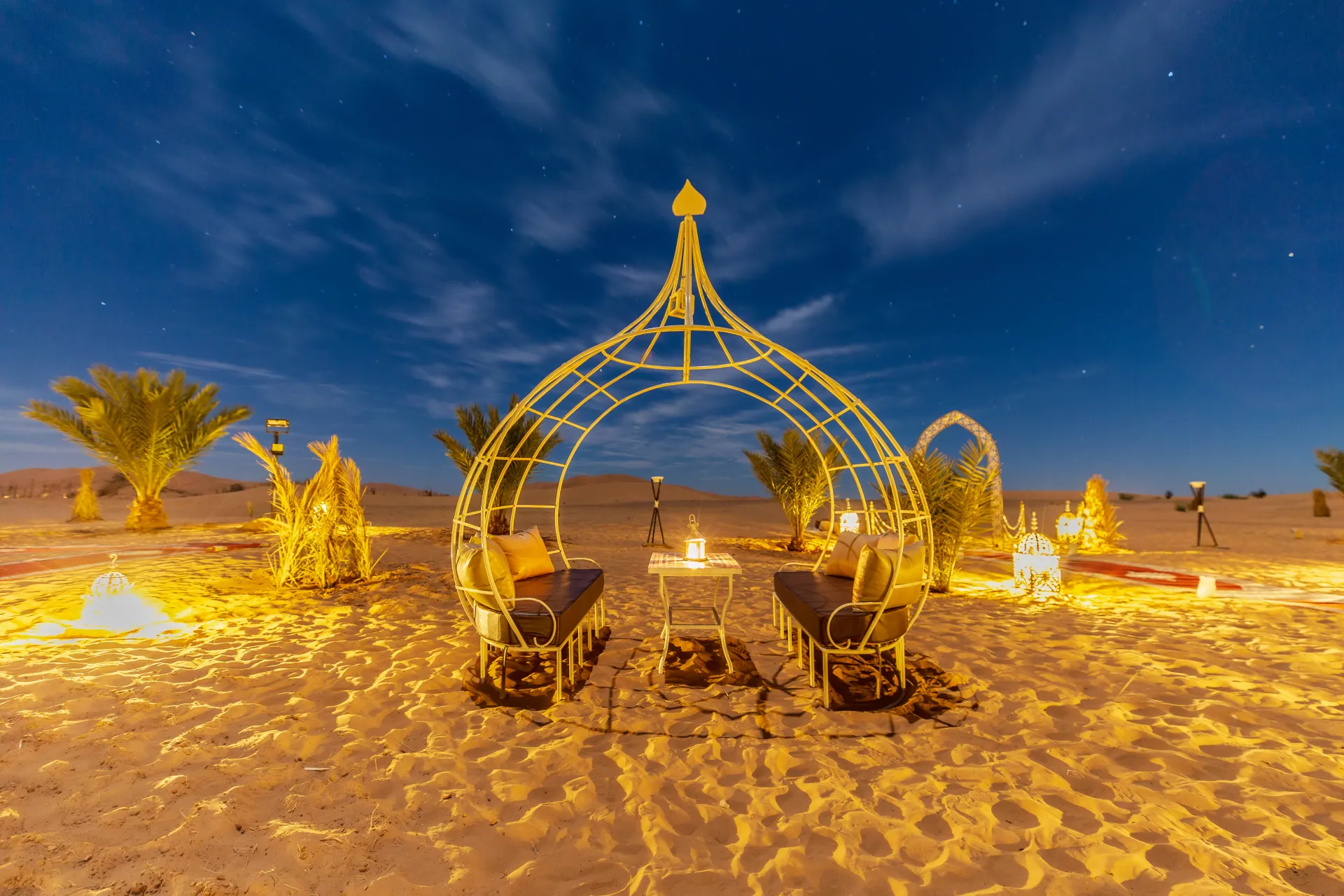
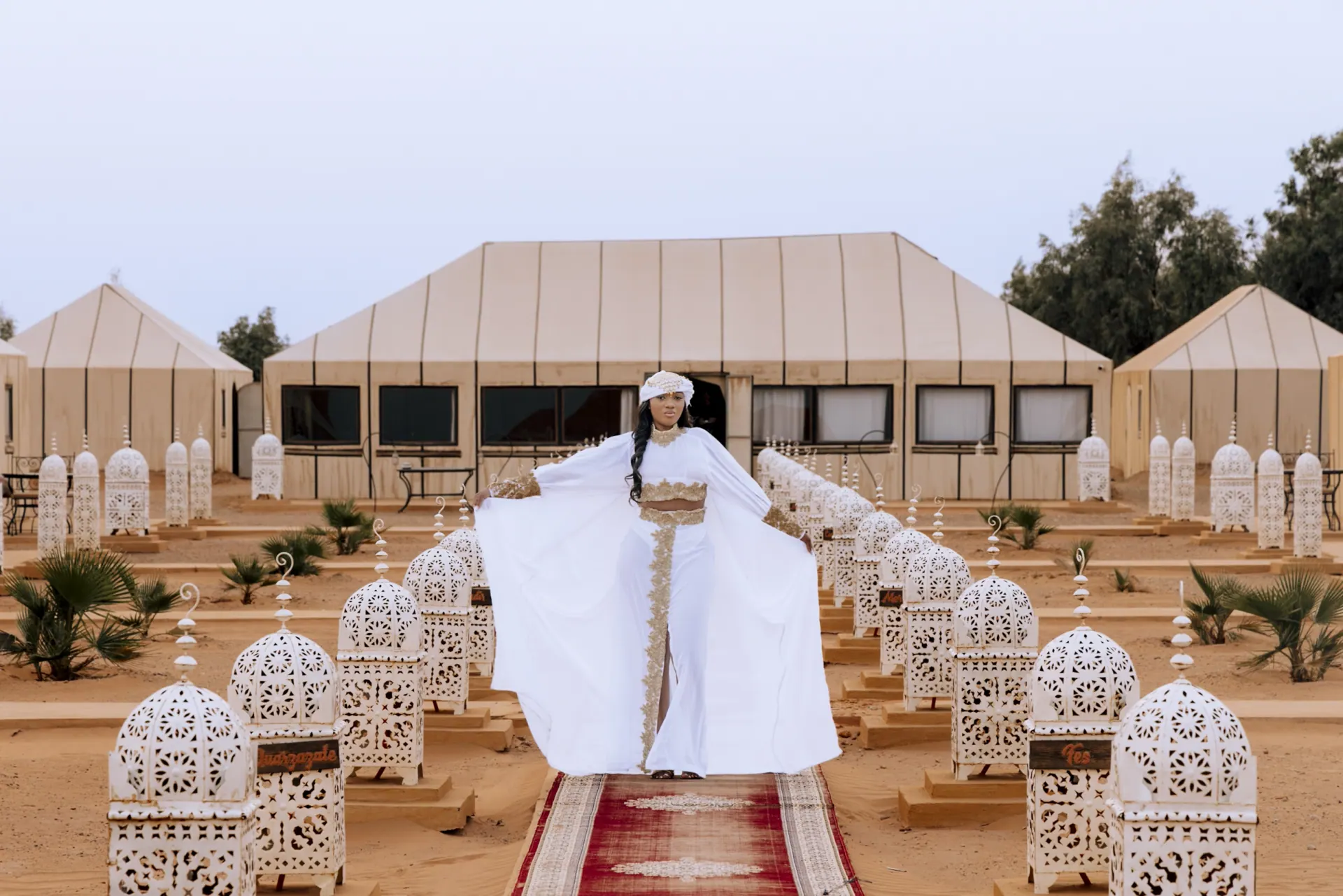
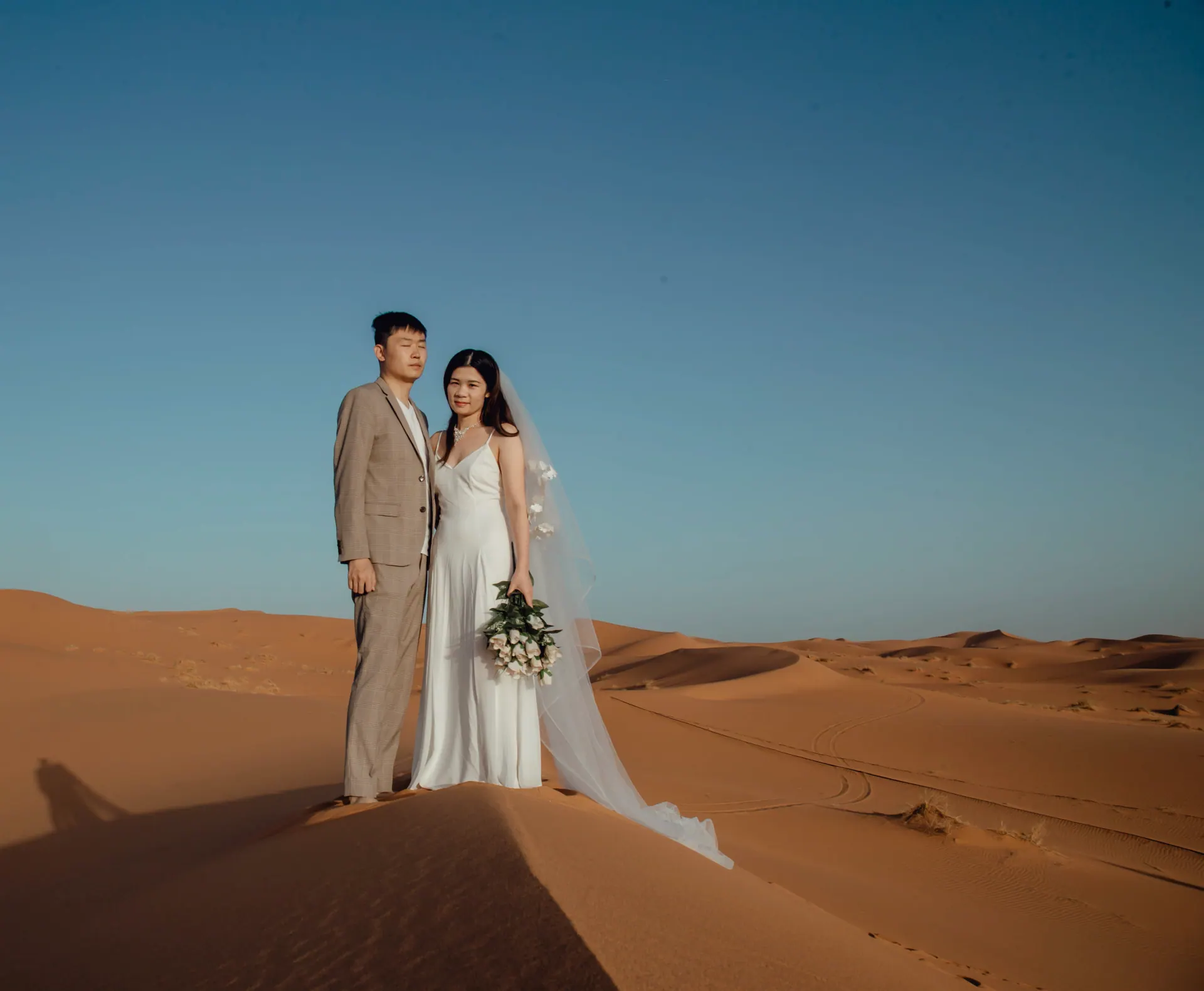
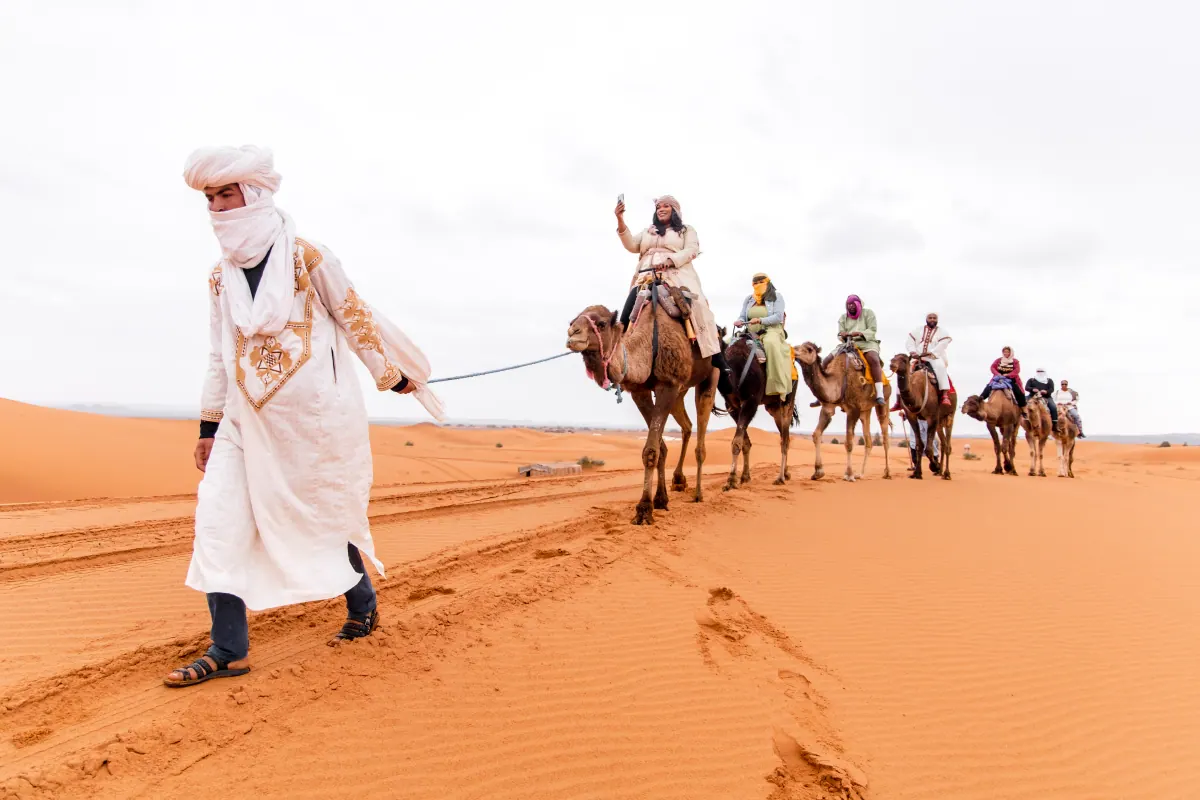
We drive south through the Tafilalet to Merzouga, meet the camels in the afternoon, and ride out onto Erg Chebbi for sunset. Night in a desert camp among the dunes — skies here are clear most of the year and the Milky Way is visible to the naked eye.
-
Iti6
Day 6: Erg Chebbi — sunrise, nomads, Khamlia
Sunrise from the high dune behind camp. Afterwards a 4x4 day in the desert: nomad families who still live out here, the black volcanic plain, the dry lake bed, and the village of Khamlia where the Gnaoua families play music descended from sub-Saharan Mali.
A second night by the dunes, which means a second sunrise tomorrow if today's was flat.
A full day out in the Sahara: the nomad families who still live in the black tents around the erg, the old Mascara galleries where kohl was mined, the village of Khamlia and its Gnawa musicians, whose sung history came north with the caravans from Mali.
Khamlia was settled by descendants of people brought north along the caravan routes from Mali, and its Gnawa music carries that history in the rhythm.
The nomad families around the erg still move with their herds and still take visitors in for tea, which is a real household rather than a display.
The fossil beds around Erfoud were a shallow sea 400 million years ago, and the black marble cut there is full of orthoceras and trilobites.
-
Iti7
Day 7: North through the Ziz Valley to Fes
The long transfer north, broken properly. The Ziz Valley seen from the viewpoint above it is one of the great Moroccan landscapes — a river of palms in a bare canyon — and we stop at the top of the pass for it.
Through Midelt, the cedar forest at Azrou where the Barbary macaques are, and into Fes in the evening.
-
Iti8
Day 8: Fes — tanneries, medina, the dyers' souk
A full day in the oldest medina in the world with a licensed Fes guide. The Chouara tanneries from the leather shops' terraces around mid-morning, when the sun finally reaches into the pits and the dye vats go from shadow to colour.
Then the dyers' souk, the brass workers, Bab Boujloud, the Attarine Madrasa, and the viewpoint over the whole medina from the Merinid tombs at sunset.
A local guide who lives in the city walks you through it on foot, which is the only way the medina makes sense.
In Fes that means Fes el-Bali, the walled medina founded in the ninth century, the Chouara tanneries seen from the terraces above, the Al-Qarawiyyin mosque and university, and the mosaic and brass workshops still working in the lanes.
Fes el-Bali is the largest car-free urban area in the world, which is why the whole day is walked and why a guide is worth having.
The Bou Inania madrasa is one of the few religious buildings in Fes open to non-Muslim visitors, and its cedar and zellij work repays the stop.
-
Iti9
Day 9: Volubilis and up into the Rif to Chefchaouen
We stop at Volubilis, the Roman city on the plain, where the standing columns and mosaics photograph well in morning light and the site is usually near empty.
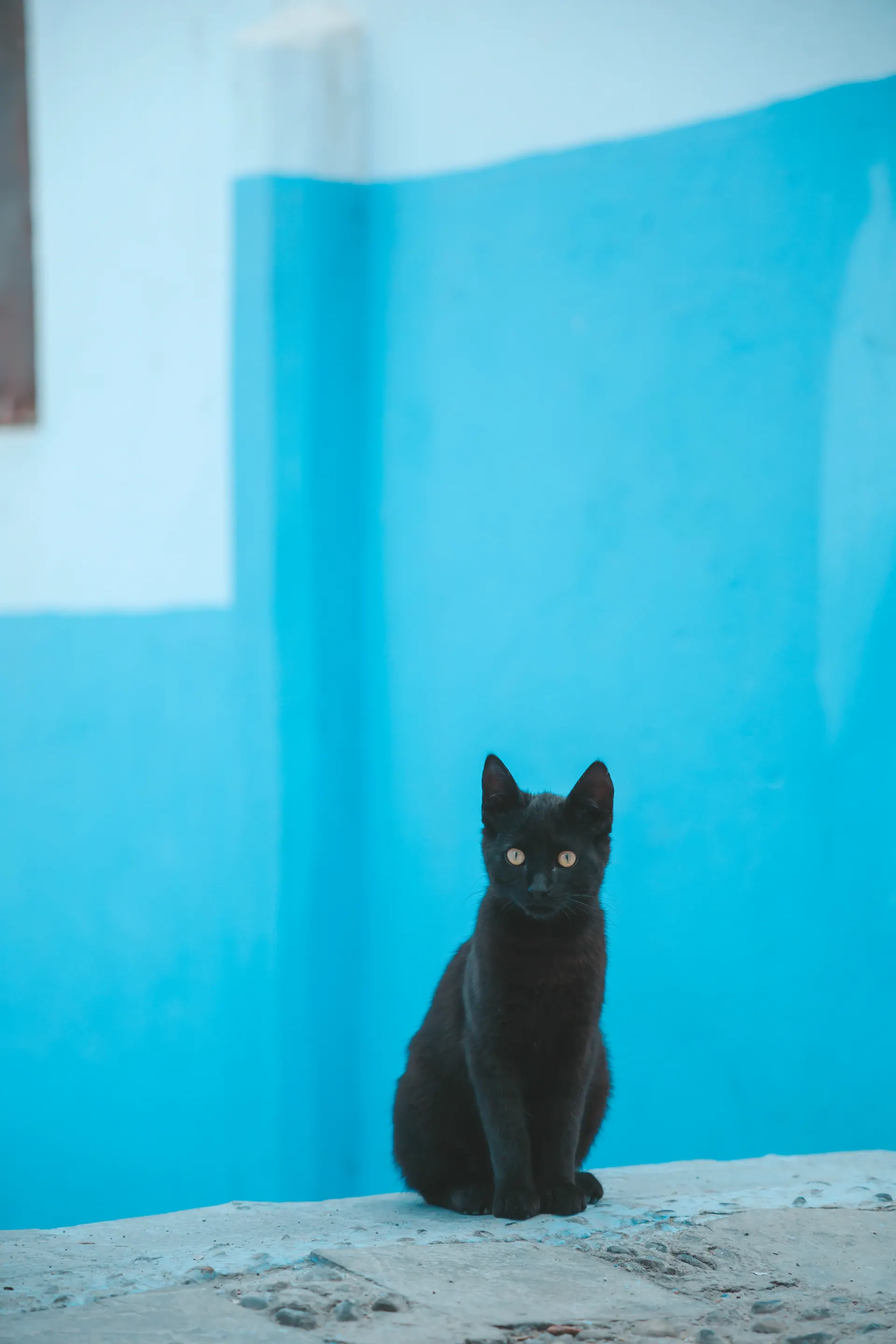
Into the Rif mountains and up to Chefchaouen, arriving in time for the late afternoon, when the blue walls go warm and the washing lines and cats come into their own.
-
Iti10
Day 10: Chefchaouen at dawn, then onward
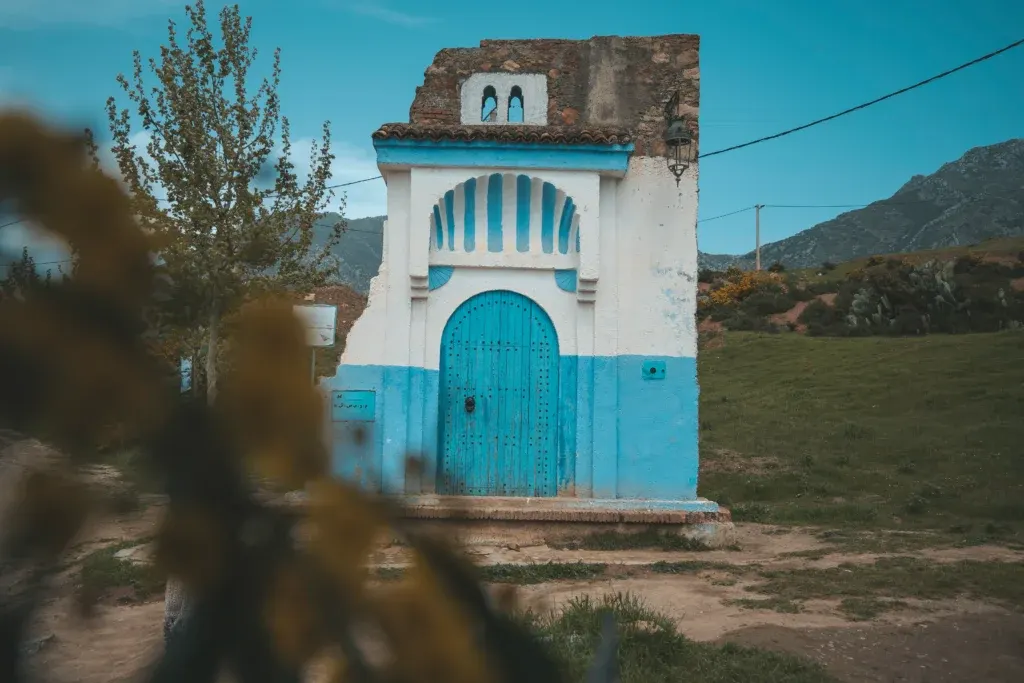
The reason we slept here. Out at sunrise into the blue stairways with nobody in them — Chefchaouen between six and eight is a completely different town from Chefchaouen at eleven. Up to the Spanish Mosque viewpoint for the town against the mountains.
After breakfast your driver takes you on to Tangier or Fes for your flight, or wherever you need to be.
What the Price Includes
Everything covered in the price
Price Includes
- ✓ Private air-conditioned vehicle and driver-guide for all 10 days
- ✓ Door-to-door pickup and drop-off
- ✓ 9 nights' accommodation: riads in the medinas, a kasbah facing Ait Ben Haddou, a Sahara camp
- ✓ Breakfast daily, and dinner where you are staying outside the cities
- ✓ Official licensed city guides in Marrakech and Fes
- ✓ Camel trek onto Erg Chebbi at sunset
- ✓ A full 4x4 day in the desert around Merzouga
- ✓ Sunrise departures written into the itinerary, not charged as extras
- ✓ All fuel, tolls and parking
- ✓ A route planned around the light at each place
Price Excludes
- ✗ International flights and any transfers not listed in the itinerary
- ✗ Lunches, drinks and bottled water
- ✗ Entrance fees to monuments and museums
- ✗ Tips for your driver-guide and city guides
If this itinerary does not quite match what you had in mind, tell us your ideas and we will rebuild it around them.
Tour Map
Morocco
Why Book This Tour
What makes it worth the time
Most Morocco itineraries arrive at the famous places in the middle of the day, which is the worst possible hour for every one of them. Ait Ben Haddou flattens out at noon. The Fes tanneries are a shaded pit until the sun is high enough to reach the dye. The dunes have no shape at all between ten and four. This route moves you so you are standing in the right place at the right hour.
Ten days is what the full set of subjects takes without rushing: two nights in Marrakech, a night beside Ait Ben Haddou, two in the Sahara so a cloudy sunrise is not the end of it, two in Fes, and two in Chefchaouen. Every long drive is broken with something worth stopping for.
Know Before You Go
Practical travel notes
- Pricing is per person and drops as your group grows. Tell us how many of you there are and we will send an exact quote.
- This is a one-way route. It ends in Chefchaouen, with a transfer to Tangier or Fes for your flight on the last day.
- Early starts are the point of this tour. Most mornings you will be out before sunrise, which means earlier nights than a normal holiday.
- There is no fixed group departure. The dates are yours, and the pace can change on the day if the weather gives us better light somewhere else.
- You do not need to be a professional. Half the people who book this travel with a phone and a good eye, and the route works just as well for them.
Frequently Asked Questions
Questions about this tour
Do I need professional camera equipment?
No. The route is planned around being in good places at good times, which helps any camera, including the one in your phone. Bring what you normally shoot with.
Is there time to actually set up and shoot, or is it a drive-past?
There is time, and that is the difference between this and a standard itinerary. Your driver-guide expects you to want twenty minutes at a viewpoint rather than three, and the days are built with that slack in them.
Can I photograph people in the medinas?
With care, and usually by asking first. Your city guides in Marrakech and Fes help with this — they know the shopkeepers and artisans, and an introduction turns a refusal into a portrait. Never photograph anyone who has said no, and expect to pay a small amount to the water sellers and performers on Jemaa el-Fna, who make their living from it.
What happens if the sunrise is cloudy?
That is why there are two nights at Erg Chebbi and two in Chefchaouen. Weather costs you one morning rather than the shot.
When is the best time of year for this route?
March to May and September to November give the kindest light and the most comfortable temperatures. Winter is excellent for low sun and dramatic skies but cold at night in the desert and the Atlas. July and August are very hot in the south, and we would steer you to a different route.
Can the itinerary be changed?
Yes. Every tour we run is private and written for the people on it. If you want three nights in Fes, or to add Essaouira, or to skip Volubilis, tell us and we will rebuild the route around it.
You May Also Like
More private Morocco tours
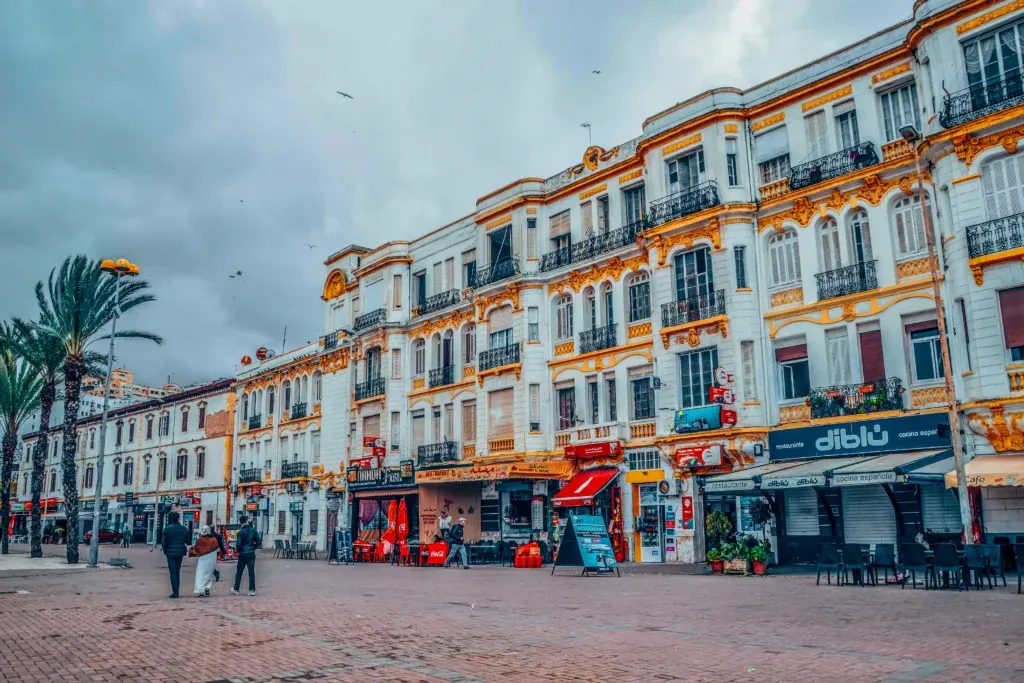 15 Days - 14 Nights
Finest Private 15-day Casablanca Morocco tour
A private 15-day Morocco tour from Casablanca
View Tour Details →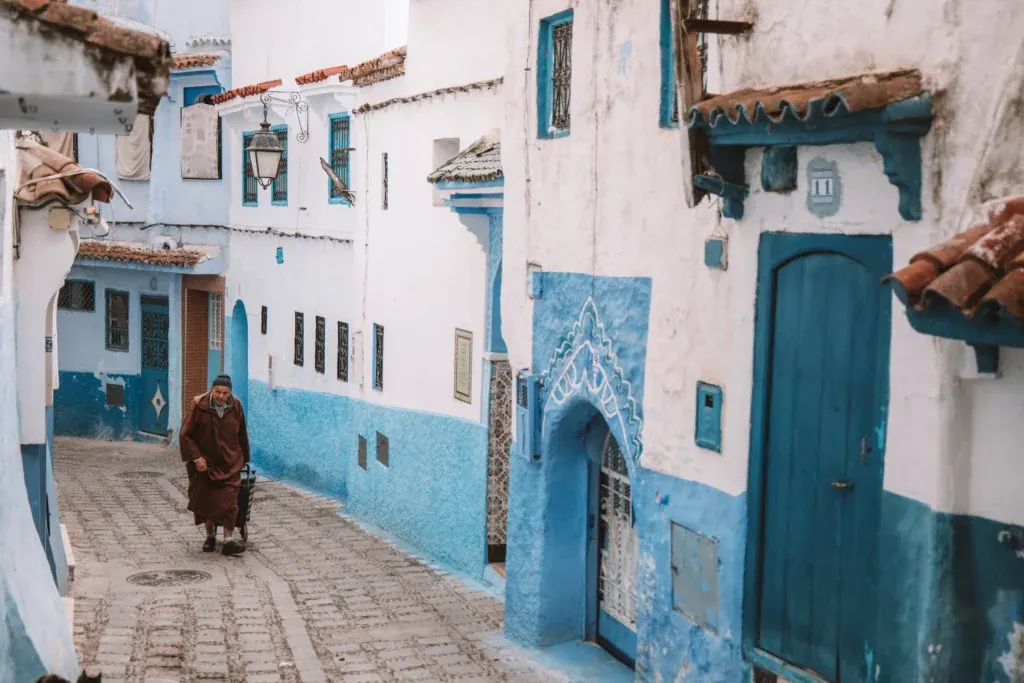 7 days - 6 nights
Amazing 7-day tour to Morocco Casablanca
A private 7-day tour from Casablanca to Marrakech
View Tour Details →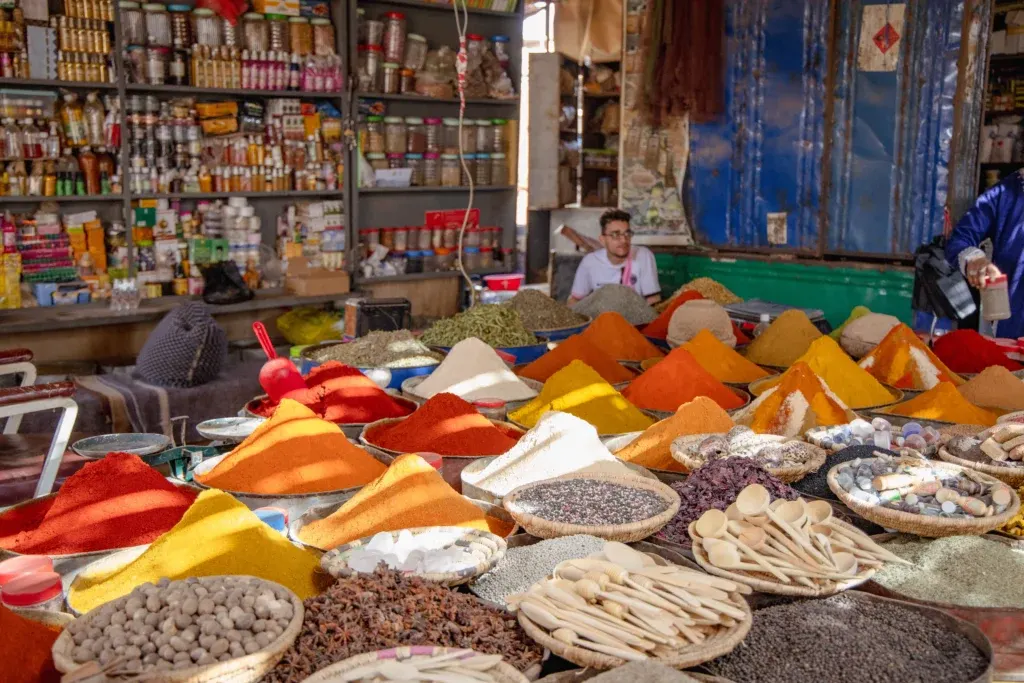 4 days - 3 nights
Finest Casablanca to Marrakech in 4-day
A private 4-day tour from Casablanca to Marrakech across Morocco
View Tour Details →