The first question in almost every enquiry we get is some version of the same thing: how long do I actually need? People have a week of leave, or ten days between flights, and they want to know whether that is enough for Morocco or whether they should wait until they have more.
The honest answer is that Morocco rewards length more than most countries, because the distances are long and the best parts are at the far end of them. But every trip length works if you choose the right shape for it. The mistake is not having five days. The mistake is trying to do a ten-day route in five.
This is how the numbers actually break down for 2027, based on the routes we drive every week.
The short version
Three days gets you one region properly, or Marrakech and the Sahara if you accept two long driving days. Five days is the first length where the desert stops feeling rushed. Seven days is where a trip stops being a transfer schedule and starts being a holiday. Ten days crosses the country north to south without backtracking. Two weeks adds the coast, the north, or simply more time standing still.
Under three days, stay in one place. Fly into Marrakech or Fes, spend the time there, and come back for the desert another year. A long drive in each direction eats the trip.
Why Morocco takes longer than it looks
Morocco is roughly the size of France, with the High Atlas through the middle and the Sahara behind it. Marrakech to Merzouga, the dunes most people picture, is nine to ten hours of driving. Marrakech to Fes direct is about eight hours on the motorway. Those are not numbers you can shave.
So the planning unit in Morocco is not the kilometre. It is the half-day. Every route below is built out of half-days and passes, which is why a three-day itinerary covers less ground than the map suggests and a ten-day one covers more than you would expect.
One more thing worth knowing before you pick a length: an open-jaw flight, in through Marrakech and out through Fes or the reverse, removes an entire day of retracing your route. On a five or seven-day trip that is a tenth of your holiday. Check the fare before defaulting to a return.
Choosing by the days you have
Two to three days
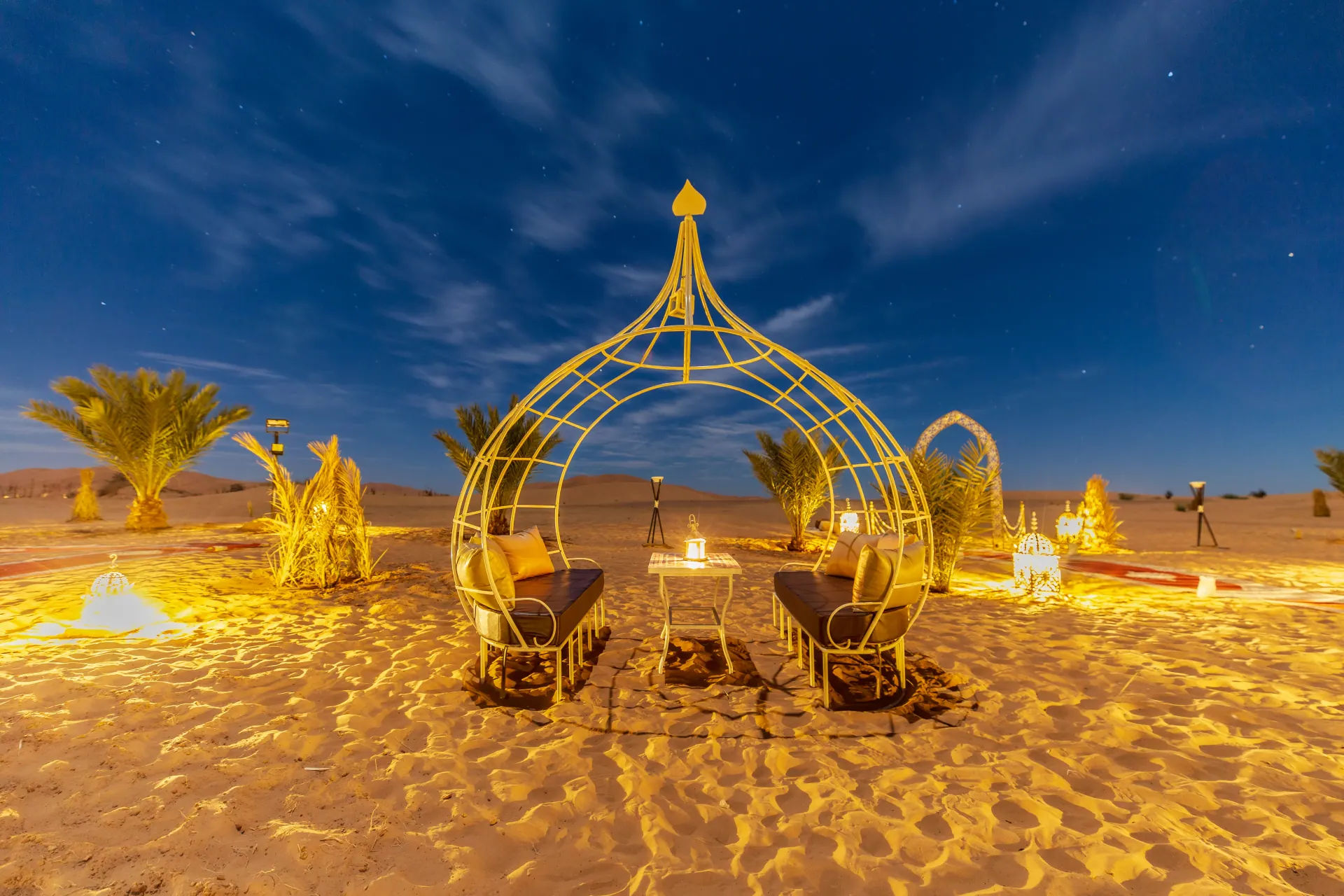
Enough for the Sahara from Marrakech or Fes, provided you accept that two of the three days have serious driving in them. What you get in exchange is Ait Ben Haddou, the Tizi n’Tichka pass, the Dades or Todra gorge, and a night in a camp under Erg Chebbi. That is a real trip, not a consolation prize.
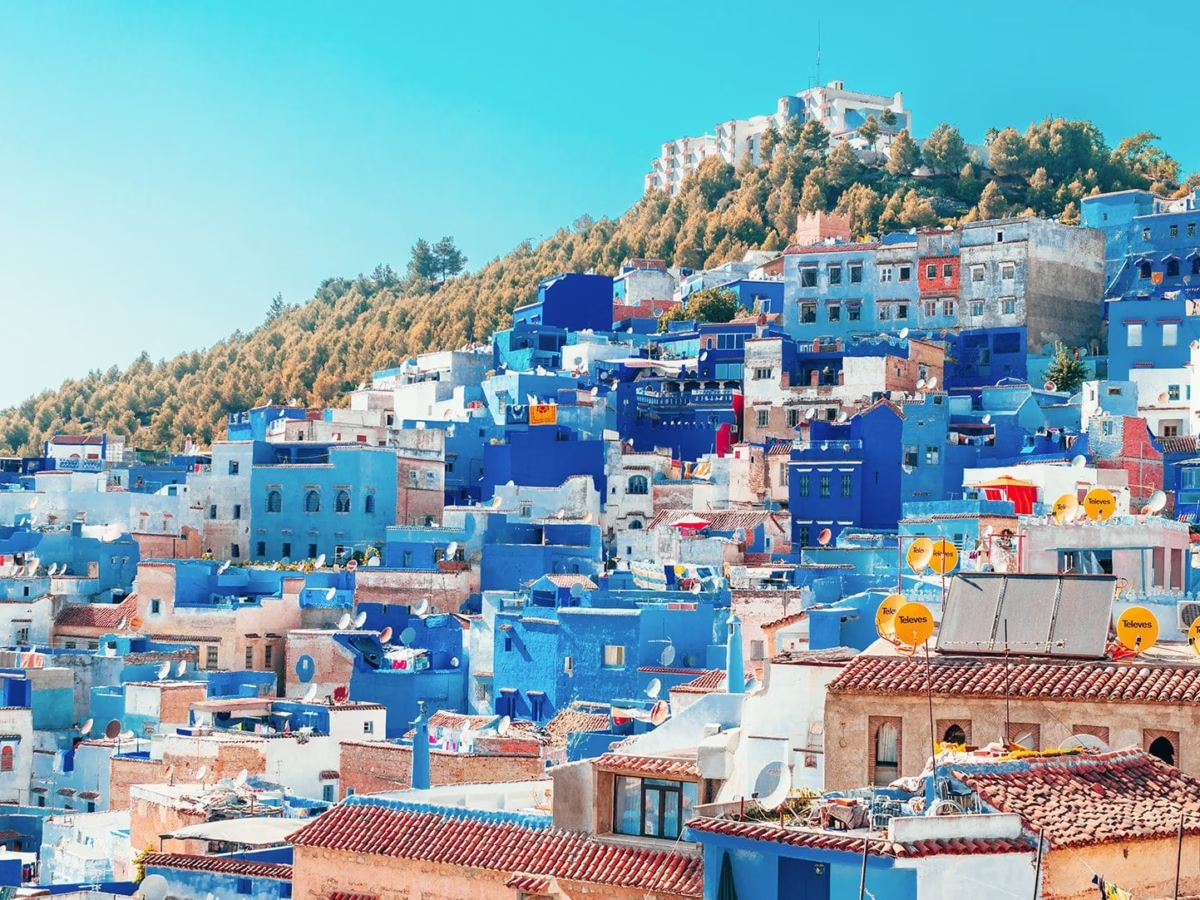
The alternative at this length is to stay north: Fes and Chefchaouen, or Marrakech and the Atlas valleys. No desert, far less driving, and more time actually looking at things.
See 3 days in Morocco for the four routes that work at this length.
Four to five days
This is where the desert stops being a dash. Five days lets you cross from Marrakech to Fes through the Sahara, which turns the worst drive in the country into the best part of the trip, or do Marrakech out and back with a second night in the south.
Four days is a genuine middle ground rather than a compromise, and it suits anyone arriving into Casablanca who wants Marrakech and the Atlas without the full desert crossing.
See 5 days in Morocco.
Six to eight days
A week is the length we recommend most often. It fits two imperial cities and the Sahara with a spare day, or one city, the desert and the coast. It is also the first length where you can afford to lose half a day to a long lunch or a market without the whole plan collapsing.
See 7 days in Morocco.
Nine to eleven days
Ten days is the sweet spot for a first visit if you can take it. Tangier or Casablanca in the north, Fes, the Sahara, the Atlas and Marrakech, all in one direction with no repeated roads. It is also enough for a themed trip: photography, birdwatching, Jewish heritage.
See 10 days in Morocco.
Twelve days and over
At this length the question changes from what to include to how slowly to go. Two weeks adds the Atlantic coast, the Rif, or simply three nights somewhere instead of one.
See two weeks in Morocco.
Already here, with a day spare
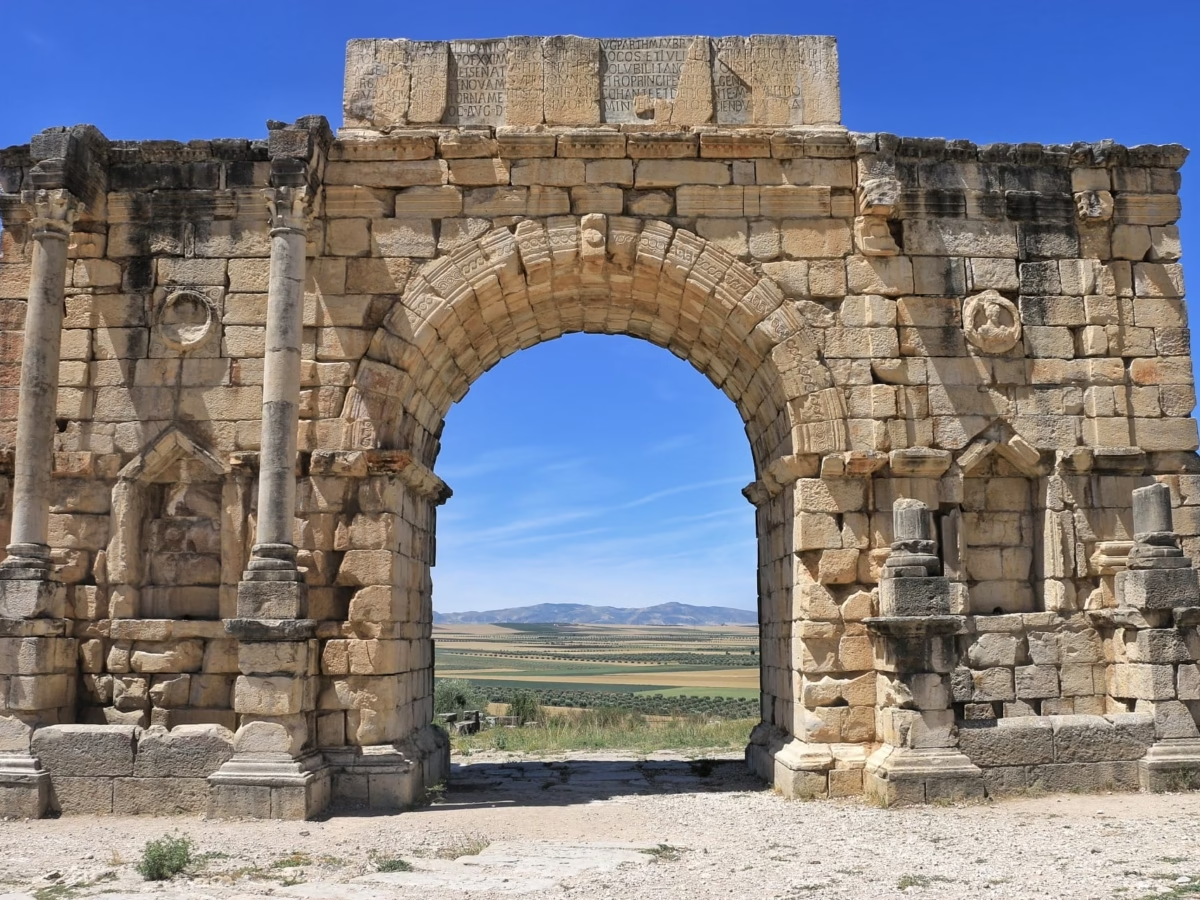
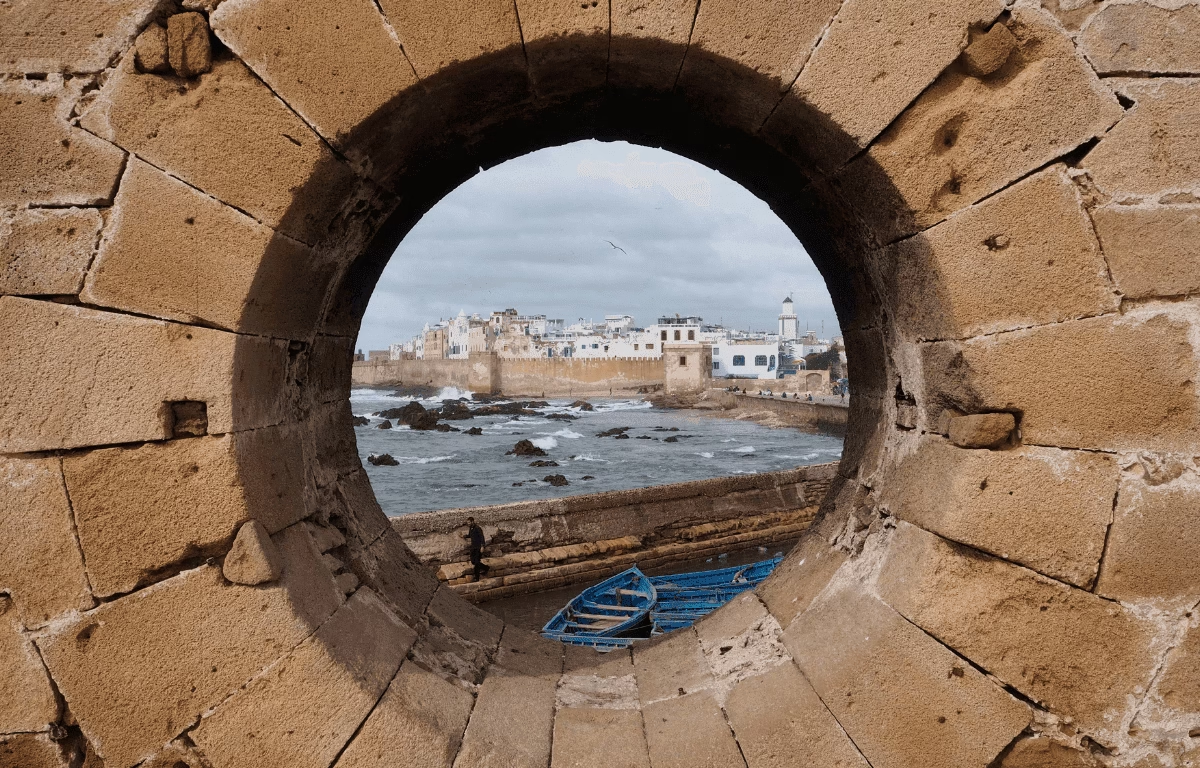
If you are based in one city and want a single day out, that is a different question with its own answers: Essaouira or the Ouzoud waterfalls from Marrakech, Chefchaouen or Volubilis from Fes. Our Morocco day trips cover those.
When to come in 2027
Spring and autumn are the two good windows, and they are good for the same reason: the desert is warm rather than dangerous and the mountains are open.
March to May is the strongest period of the year. The Atlas still has snow on the peaks, the valleys are green, and the Sahara is comfortable by day and cool at night. Easter falls on 28 March 2027, so the last week of March and the first week of April will be busy in Marrakech and Fes. Book earlier for those dates than you otherwise would.
September to November is the other window. September is still hot in the south, October is close to perfect, and November brings shorter days but very clear light, which is why photographers favour it.
June to August is hot inland. Marrakech regularly passes 40°C and the desert is hotter still. It is workable if you start early, rest in the middle of the day and sleep in the dunes rather than a town, and it is the cheapest time to fly. The coast, Essaouira and Agadir, stays mild all summer.
December to February is cold at night in the desert, near freezing in a camp, and snow closes Atlas passes occasionally. The cities are pleasant and quiet. Bring layers and do not believe anyone who tells you the Sahara is warm in January after dark.
One date to plan around: Ramadan falls in roughly early February to early March 2027. The exact start shifts with the moon and is confirmed locally. Travel is entirely possible during it, and in some ways more interesting, but daytime restaurant hours change outside tourist areas and the roads are busy around Eid. Tell us if your dates overlap and we will build the day around it.
Private, and built around your dates
Every itinerary we run is private. There is no group bus and no fixed departure day, which matters more than it sounds when you are choosing a length: if your flight lands at four in the afternoon, day one starts at four in the afternoon rather than being written off.
It also means the lengths above are starting points. People regularly take a seven-day route and stretch it to nine, or take a ten-day route and cut the north. If you tell us your dates, your arrival city and roughly what you want to see, we will write the itinerary around that rather than fitting you to a template.
Common questions
How many days do you need in Morocco?
Seven is the point where a trip stops feeling like a transfer schedule. Five works well for one imperial city plus the Sahara. Ten lets you cross the country without repeating any road. Under four days, pick one region and stay in it.
Is three days enough for the Sahara?
Yes, from Marrakech or Fes, and it is the shortest honest answer. Two of those days involve long drives. Anything advertised as a Sahara day trip from Marrakech is Agafay, a stony desert forty minutes out with no dunes.
What is the best month to visit Morocco in 2027?
April and October, with March, May, September and November close behind. Avoid the inland south in July and August unless heat does not bother you.
Should I fly in and out of the same city?
Usually not. An open-jaw booking into Marrakech and out of Fes saves a full day on any itinerary of five days or more.
Does Ramadan in 2027 affect travel?
It falls around early February to early March 2027, with the exact dates set locally by the moon. Sites, roads and hotels operate normally. Some restaurants outside tourist areas close during daylight, and the days around Eid are the busiest on the roads all year.
Can you change the length of an itinerary?
Yes. Every trip is private and written around your dates, so routes get stretched, shortened and reordered constantly. Send us the days you have and we will tell you honestly what fits.