Why Morocco: A Land of Light, Shadow, and Unforgettable Contradictions
To consider Morocco is to be pulled in two directions. It is a country that promises the exotic and delivers it in overwhelming, Technicolor detail, yet also presents challenges that can test even the seasoned traveler. It is a place where the answer to "Should I go?" is rarely a simple yes or no, but a compelling "Yes, but…" or "No, unless…". Here is a guide to the dazzling allure and the sobering realities of a visit to the Kingdom of Morocco.
Why You Should Pack Your Bags for Morocco
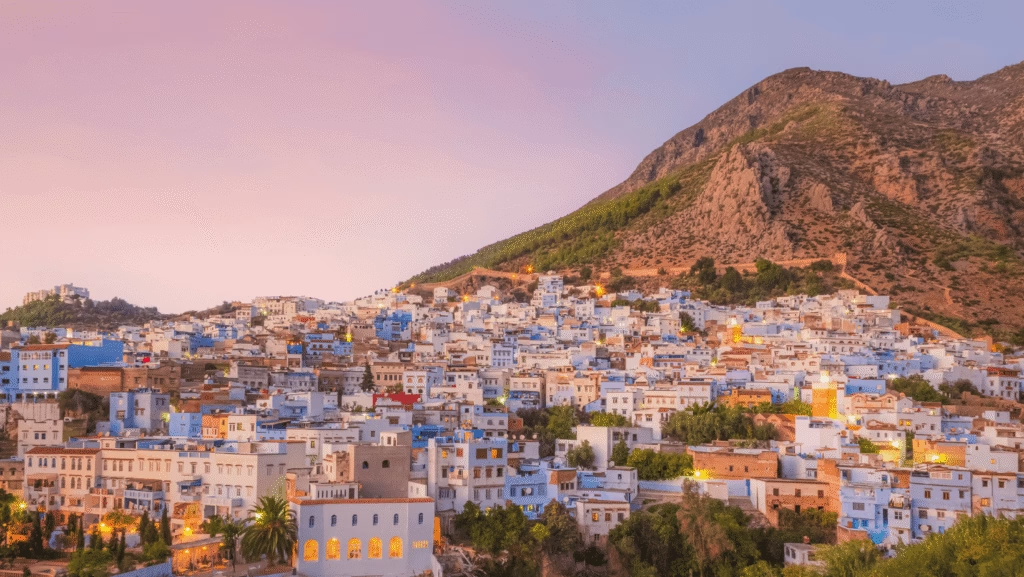
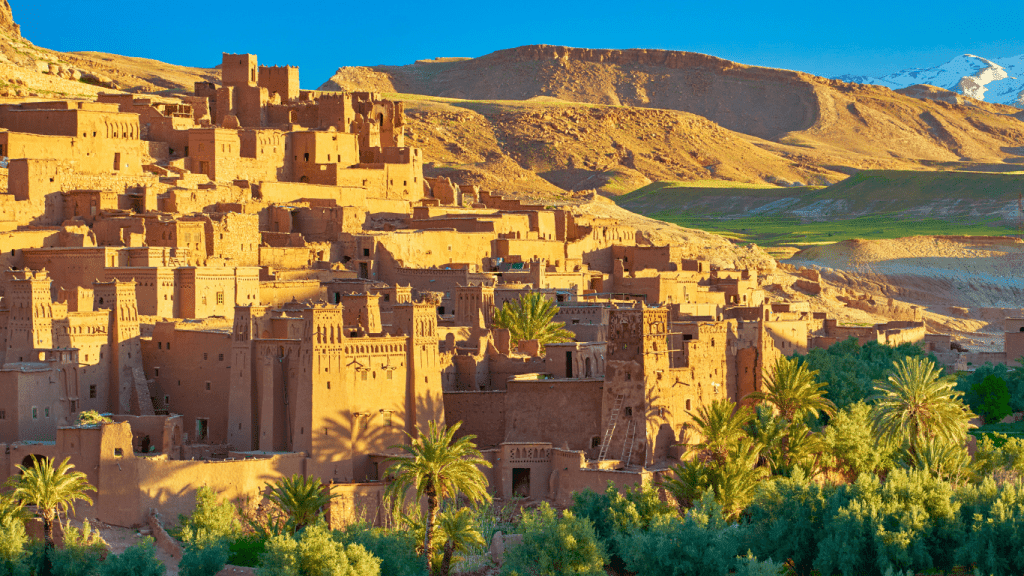
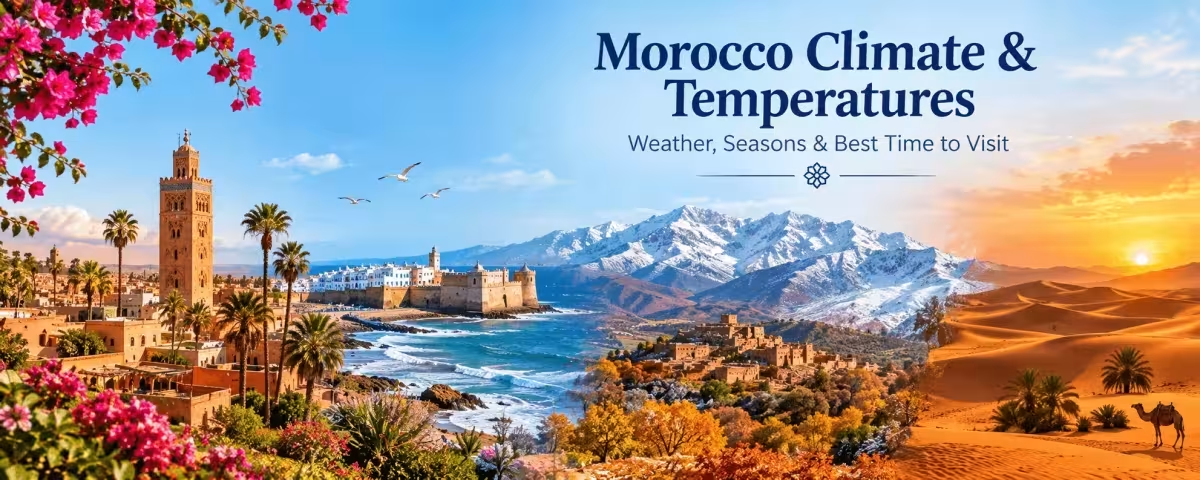
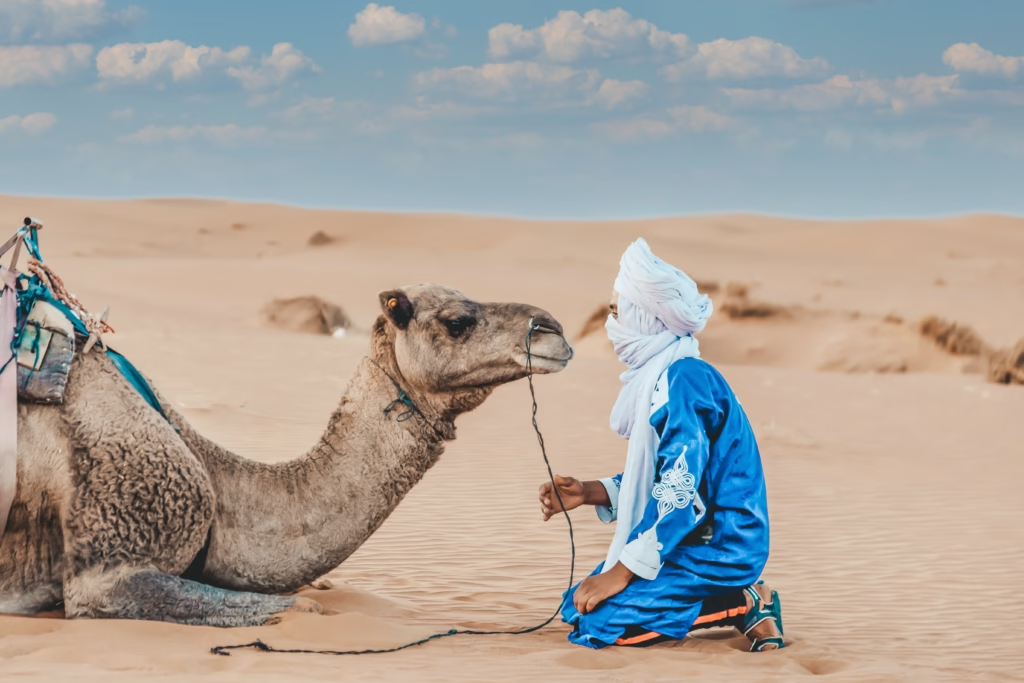
1. A Sensory Symphony of Geography: Within a single day, you can breakfast in a snow-dusted mountain village in the High Atlas, lunch amidst the red dunes of the Sahara on a camel’s back, and dine to the sound of crashing Atlantic waves in a walled coastal city. This geographic compression is unparalleled. From the blue-hued streets of Chefchaouen to the rugged Rif Mountains and the lush valleys of the Ourika, Morocco is a feast for the eyes and the soul.
2. A Living Tapestry of History and Culture: Morocco’s imperial cities are open-air museums. The medieval medina of Fes, a UNESCO labyrinth, hums with the activity of tanneries, mosaic workshops, and ancient mosques. Marrakech’s Djemaa el-Fna square transforms from a market by day into a carnival of storytellers, musicians, and food stalls by night. In Essaouira, Portuguese ramparts meet vibrant fishing ports and a thriving arts scene. The layers of Berber, Arab, Andalusian, and French influences are palpable in every archway, every tile, and every melody.
3. The Artisan’s Paradise: For those who appreciate craftsmanship, Morocco is a wonderland. The souks are a dazzling array of hand-woven Berber rugs, intricate brass lanterns, delicate silver jewelry, and sumptuous leather goods. The act of shopping is a ritual—a dance of mint tea, conversation, and good-natured negotiation that is as memorable as the purchase itself.
4. Culinary Journeys: Moroccan cuisine is a reason to visit in itself. It moves far beyond tagine (though a slow-cooked lamb with prunes is transformative). It’s the flaky layers of a pastilla, the complex spice blends of a ras el hanout, the freshness of seafood in coastal towns, and the simple perfection of bread baked in a communal oven. A cooking class here is an investment in lifelong kitchen joy.
5. Genuine, Overwhelming Hospitality: The famous Moroccan hospitality is real. In a family-run riad, from a guide in the mountains, or even from a stranger offering directions, you will often encounter a warmth and generosity that is profoundly moving. An invitation for tea is seldom just about the drink; it’s an entry into connection.
Why You Might Think Twice About Morocco
1. The Relentless Nature of the Hustle: For many, the intensity of the souk can tip from exhilarating into exhausting. The constant calls of vendors, the need for vigilance in negotiations, and the sheer, unrelenting press of attention—especially for solo travelers or those with a more reserved demeanor—can be draining. The phrase "just looking" holds little power here.
2. A Culture of Harassment (Particularly for Women): While rarely dangerous, the constant low-grade harassment—catcalling, persistent sales pitches disguised as guiding, unwanted comments—can mar the experience for many female travelers. It requires a thick skin, firm responses, and constant situational awareness that not everyone wishes to maintain on vacation.
3. Logistical and Ethical Complexities: Navigating the medinas is famously disorienting. While getting "lost" is part of the charm, it can also lead to frustration. The ethical dilemma of child beggars, the push for paid "guidance," and the environmental impact of desert tourism on fragile ecosystems are issues a conscientious traveler must grapple with.
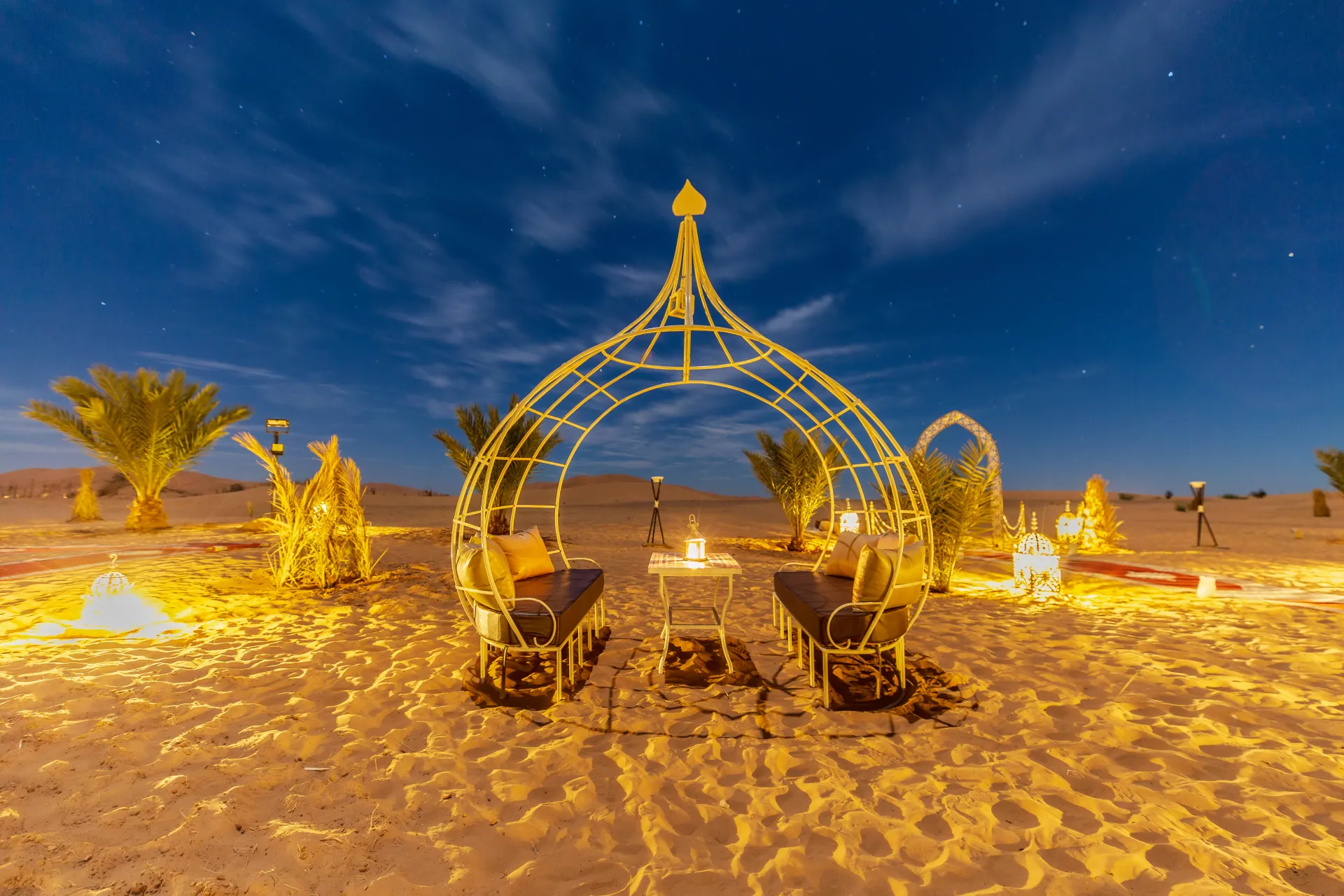
4. The Gap Between Fantasy and Reality: The Instagram-perfect riad with its tranquil courtyard may sit just beyond a bustling, dusty alley. The romanticized desert camp may involve a long, bumpy drive and basic amenities. Morocco in its raw, unfiltered reality is not a polished resort; it’s vibrant, chaotic, and sometimes gritty. Those seeking seamless, predictable luxury may be disappointed.
5. A Clash of Sensibilities: Morocco is a conservative, Muslim monarchy. Public displays of affection, revealing clothing (especially for women), drinking alcohol outside licensed venues, and photographing people without permission are not just faux pas—they can be deeply disrespectful. Travelers must be prepared to adapt, not expect adaptation.
The Verdict: For Whom is Morocco?
Go to Morocco if: You are an adaptable, curious traveler hungry for authentic cultural immersion. You see chaos as energy and negotiation as a game. You are prepared to research, plan respectfully, and embrace the unexpected. You travel with an open heart and a resilient spirit.
Reconsider Morocco if: Your ideal vacation prioritizes absolute relaxation, predictable itineraries, and personal space. You are easily overwhelmed by crowds, noise, or persistent sales tactics. You are unwilling to adjust your dress or behavior to local norms.
Morocco does not give itself up easily. It is a country that demands engagement and rewards it with profound beauty, unforgettable encounters, and stories that will last a lifetime. It is not a destination for the passive, but for the willing participant. The light of Morocco is brilliant, but it casts long shadows. To visit is to accept both.