Moroccan food is one of the great cuisines, and it is also one of the most misunderstood by visitors, who often eat a week of tagine and leave believing that is the whole story. It is not. Moroccan cooking is a layered tradition built from Amazigh, Arab, Andalusian, Sephardic and sub-Saharan influences, and it changes noticeably between the Atlantic coast, the imperial cities, the mountains and the desert.
This guide covers what the dishes actually are, how a meal is structured, what to look for in each region, and how to eat well rather than eating what is put in front of tourists.
What shapes the cooking
Four influences run through nearly everything on a Moroccan table. The Amazigh base gives the slow-cooked stews, the barley, the preserved meats and the tagine itself. The Arab arrival brought spices, breads and sweet pastries. Andalusia, by way of the craftsmen and families who arrived from Spain, contributed olives, refinement and the sweet-savoury combinations that surprise visitors. Sephardic Jewish cooking left preserved lemons, slow Sabbath dishes and a whole tradition of pickling.
The other constant is the spice cabinet: cumin, sweet paprika, ginger, turmeric, cinnamon, saffron, and ras el hanout, a blend whose name means “head of the shop” and which can contain a dozen spices or forty depending on who mixed it. Moroccan food is aromatic rather than hot; chilli appears mainly in harissa on the side.
The main dishes
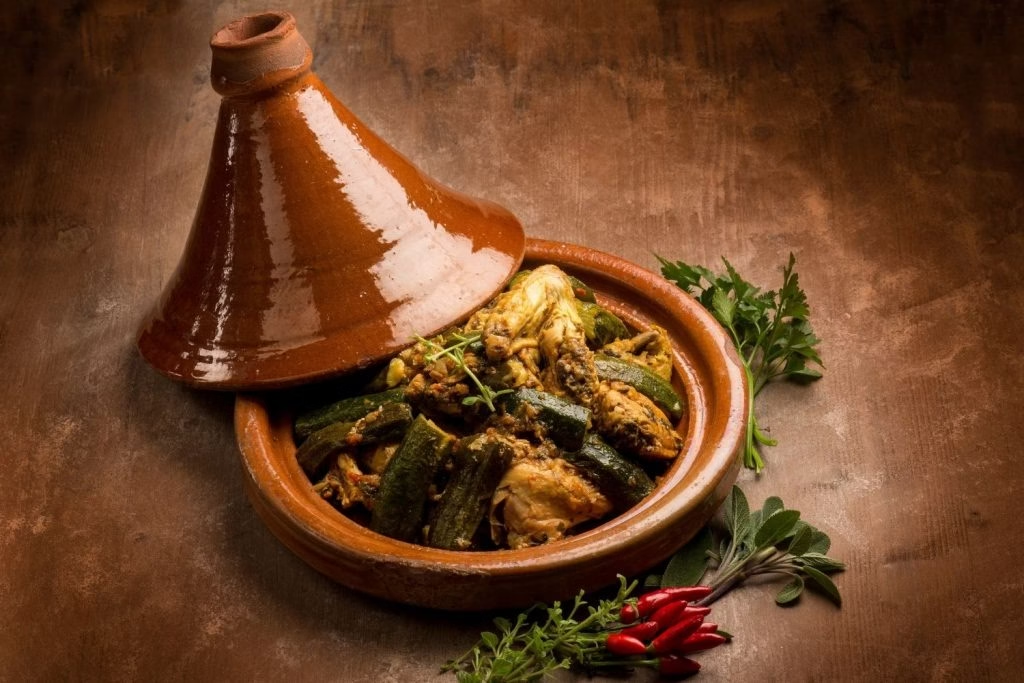
Tagine
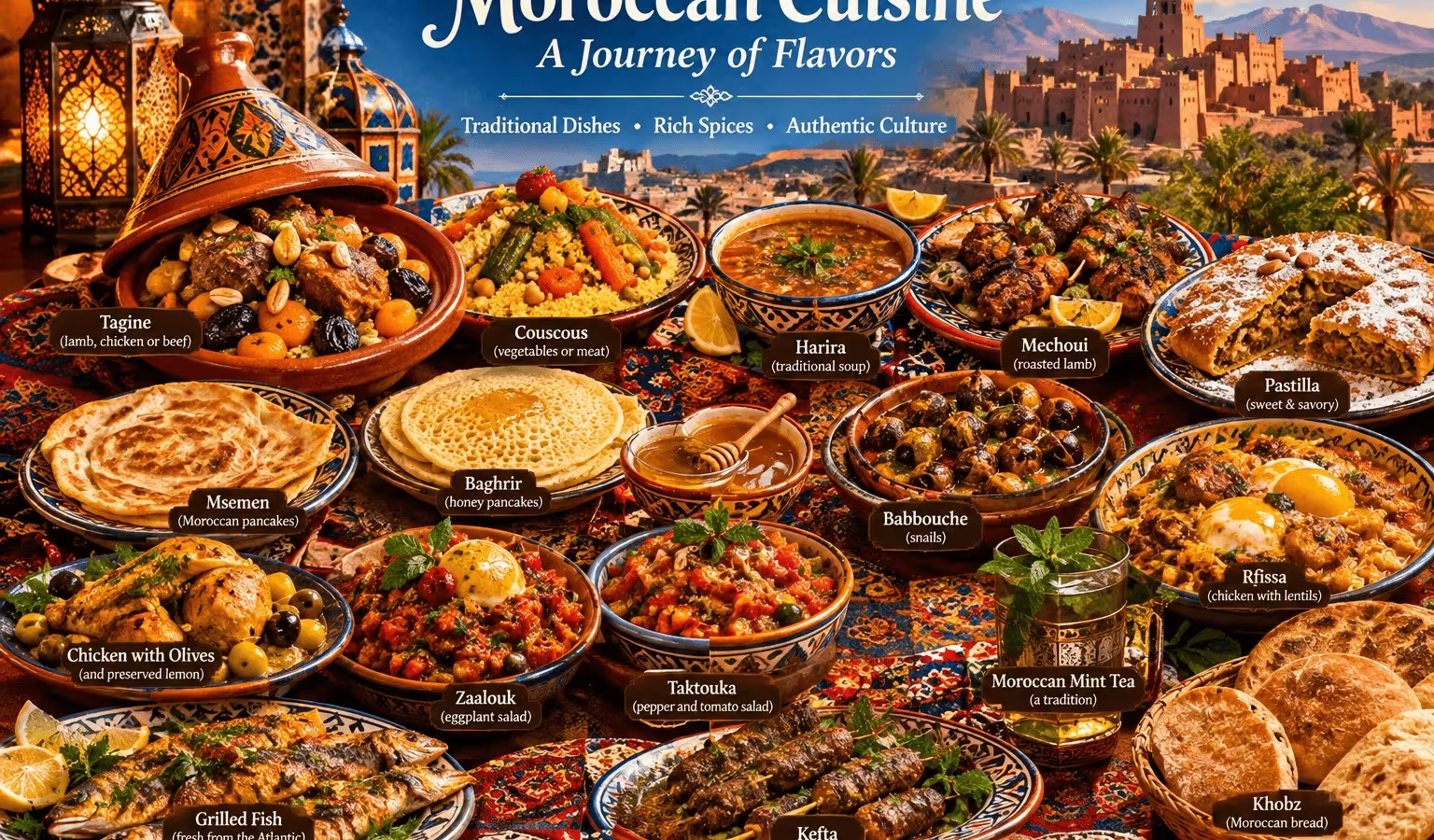
Both the dish and the conical clay pot it is cooked in, whose shape returns condensation to the food so a stew cooks slowly in almost no liquid. The classics are lamb with prunes and almonds, chicken with preserved lemon and olives, kefta with egg, and vegetable tagine. A good one has been on a low fire for hours; a poor one has been reheated.
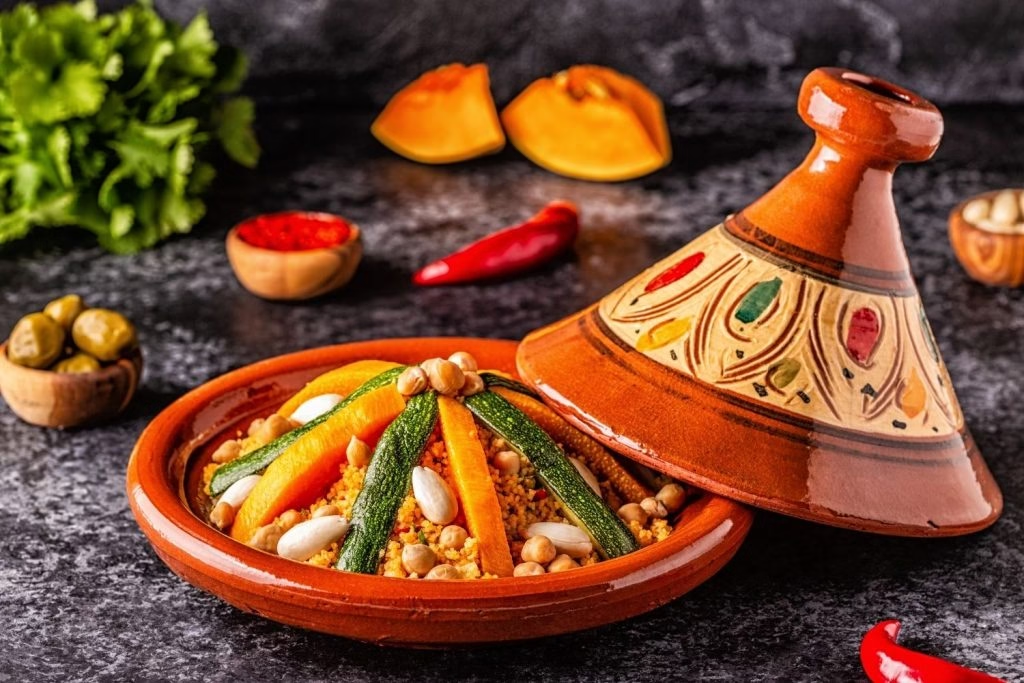
Couscous
Not a grain but hand-rolled semolina, steamed three times over the broth of the stew it will be served with. Traditionally eaten on Friday after midday prayers, which is the day to seek it out. If a restaurant serves couscous every day, it is likely rehydrated rather than steamed.
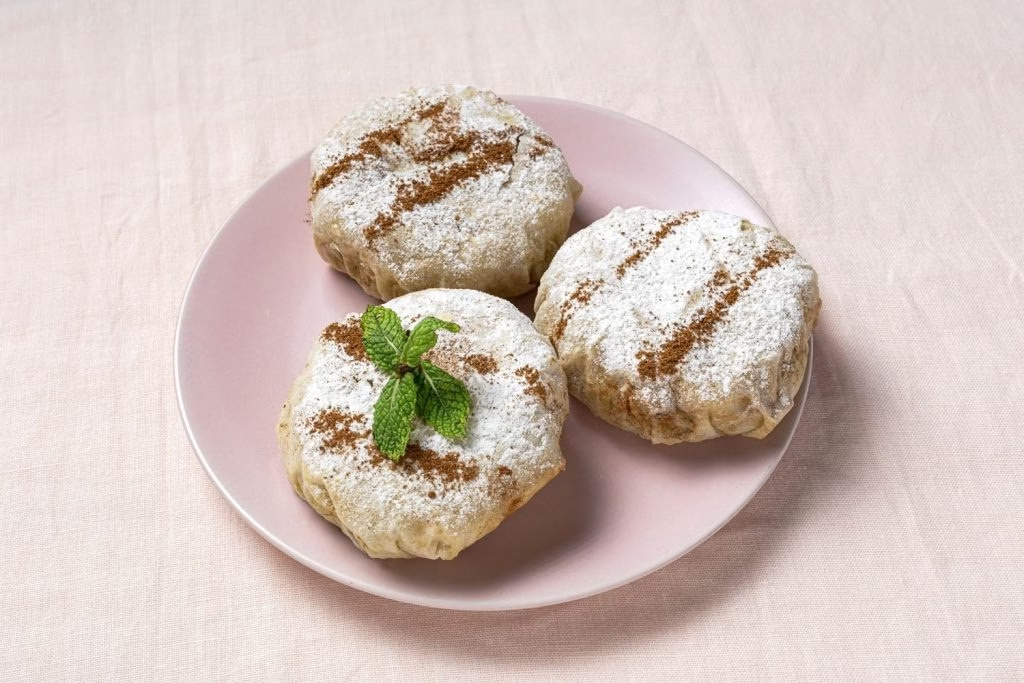
Pastilla
The dish that startles people. Layers of paper-thin warqa pastry around shredded pigeon or chicken, eggs, almonds and cinnamon, dusted with icing sugar. Sweet and savoury at once, and a centrepiece of celebration meals. A seafood version is common in Essaouira and along the coast.
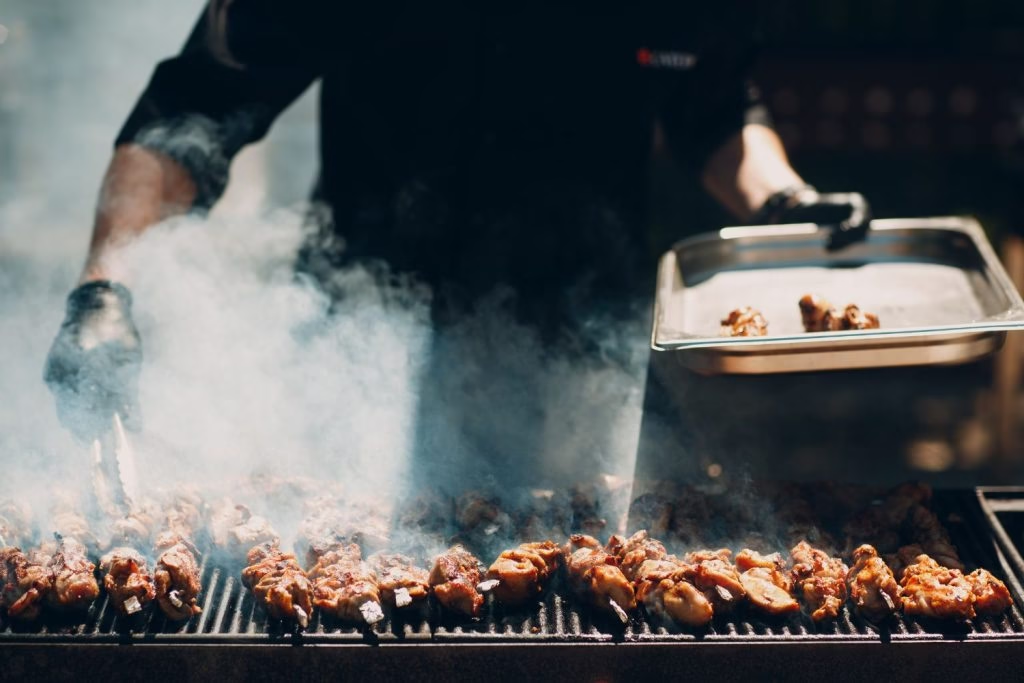
Mechoui
Whole lamb slow-roasted in a pit oven until the meat pulls away from the bone, eaten with bread, cumin and salt. Traditional at Eid al-Adha and at big family gatherings, and sold from dedicated stalls in Marrakech.
Tangia
A Marrakech speciality and quite distinct from tagine: meat, preserved lemon, garlic and spices sealed in a tall urn and left overnight in the ashes of the hammam furnace. Historically a bachelor’s dish, prepared by men and collected the next day.
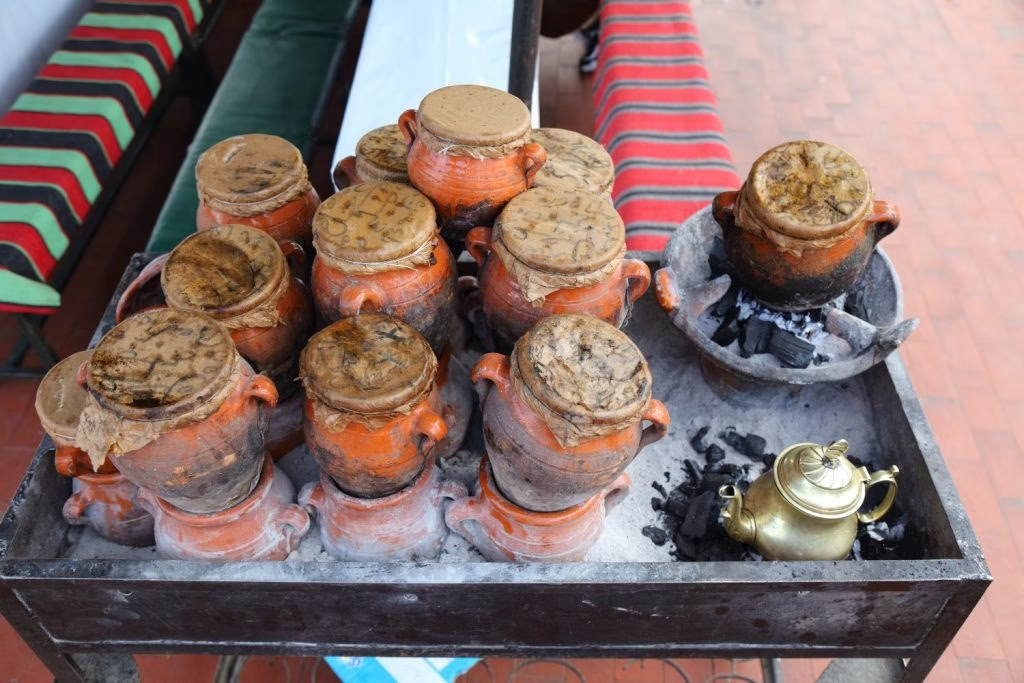
Harira
The tomato, lentil and chickpea soup that breaks the fast every evening in Ramadan, served with dates and chebakia. Available year-round and one of the best cheap meals in the country.
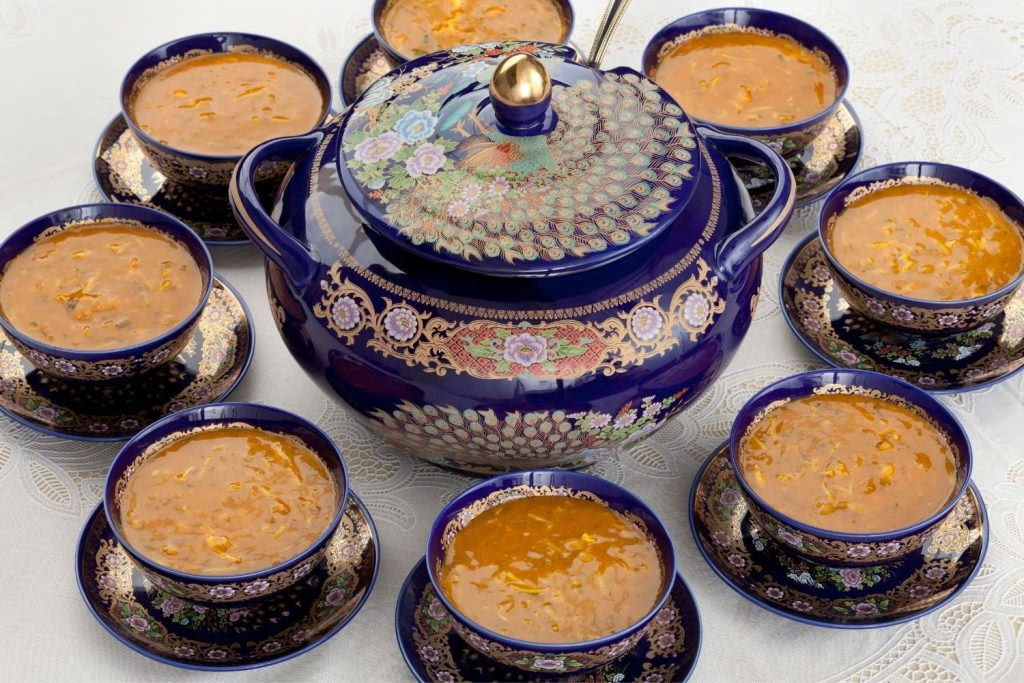
Rfissa
Shredded msemen or day-old bread under chicken cooked with lentils, fenugreek and ras el hanout. Traditionally served to a woman a few days after childbirth, on the basis that fenugreek aids recovery.
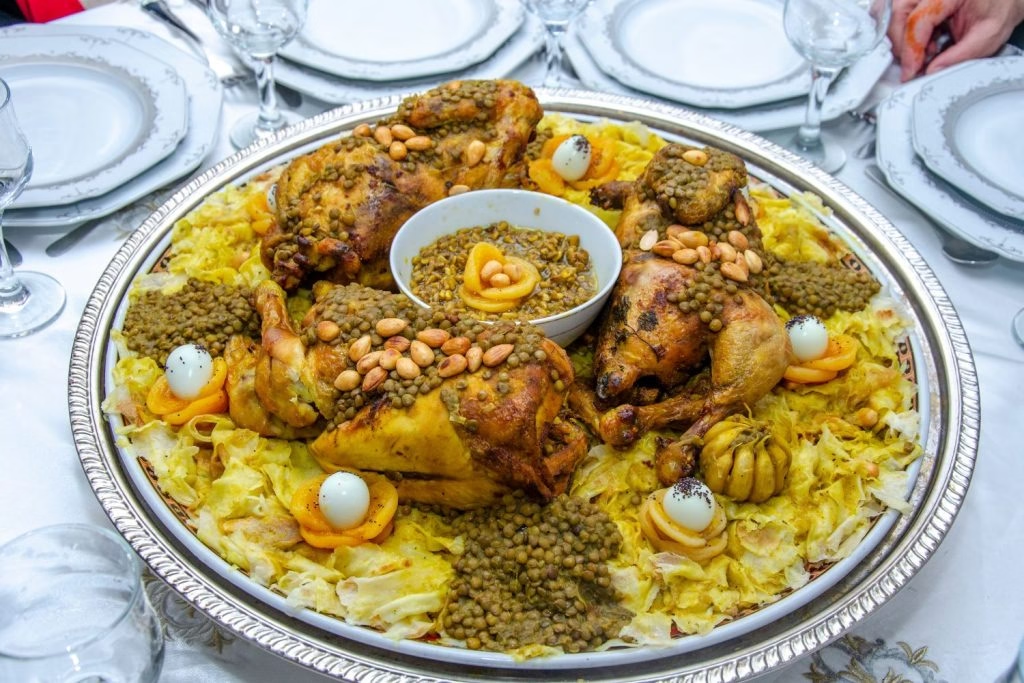
Mrouzia
Lamb with raisins, almonds, honey and heavy cinnamon, deeply sweet and made for Eid, when it also served to preserve meat in the days before refrigeration.
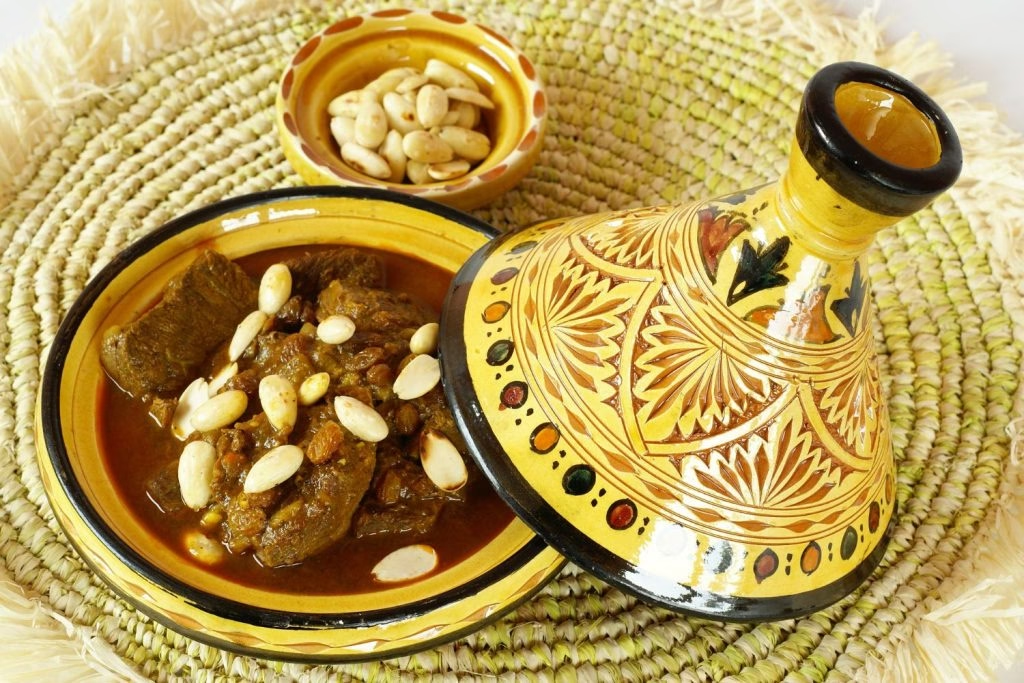
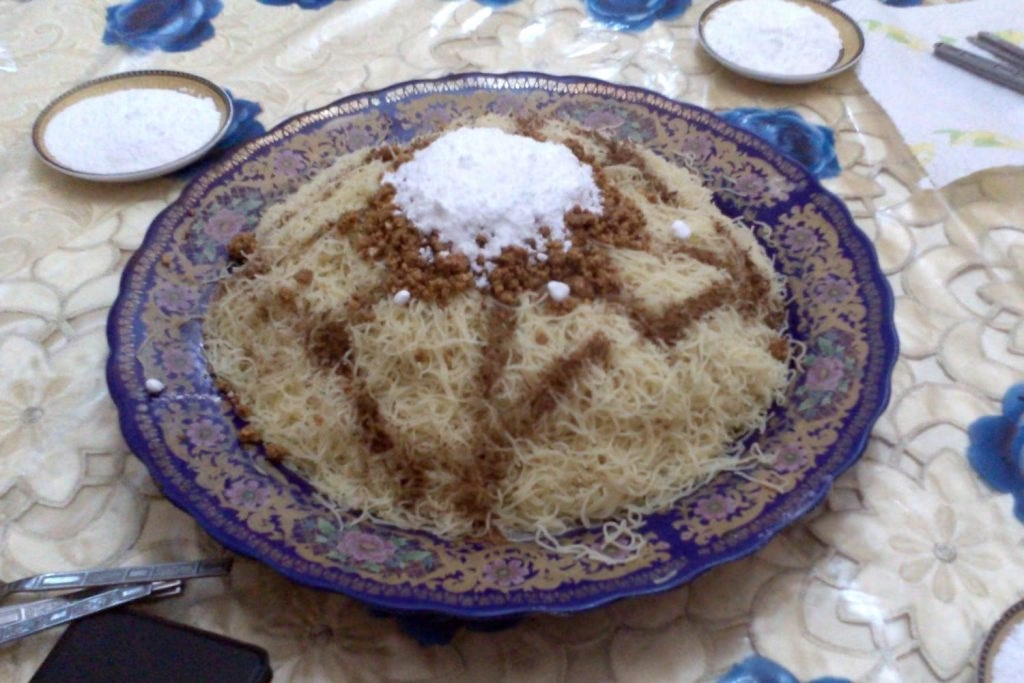
Seffa
Sweetened steamed couscous or vermicelli with cinnamon, icing sugar, almonds and butter, sometimes with chicken hidden underneath. Served as a dessert or a celebration dish.
Khlea
Preserved beef, spiced, dried and stored in fat, then fried with eggs for breakfast. An acquired taste and a genuine piece of pre-refrigeration food history.
Salads, sides and the start of a meal
A Moroccan meal often opens with a spread of small cooked salads, served with bread rather than cutlery:
- Zaalouk — smoky aubergine and tomato cooked down with garlic and cumin. The one to order first.
- Taktouka — grilled green peppers and tomato, sweeter and lighter.
- Preserved lemons — salt-cured for weeks until the peel becomes soft and intensely savoury. The backbone of a chicken tagine.
- Harissa — chilli paste served on the side, so you control the heat.
- Olives — cured a dozen ways, sold in pyramids in every souk.
Bread
Bread is not a side dish here, it is the utensil. Khobz, the round flat loaf, appears at every meal and is used to scoop. In many neighbourhoods families still take their risen dough to a communal wood-fired oven, the ferran, and collect it baked. Msemen is a laminated square griddle bread, flaky and buttery. Batbout is a soft pocket bread cooked in a pan. Harcha is a semolina pan-bread with the texture of shortbread, eaten at breakfast with butter and honey.
Street food
Jemaa el-Fna in Marrakech is the obvious place, but every city has its version. Look for grilled brochettes, maakouda potato fritters, snail soup sold in tiny bowls from steaming vats, sfenj doughnuts fried in the morning and threaded onto a loop of palm frond, and merguez sausages.
The safety rule is the same anywhere: eat where there is a queue of locals and high turnover, avoid anything lukewarm that should be hot, and be cautious with salads washed in tap water at the cheapest stalls.
Pastries and sweets
- Kaab el Ghazal — “gazelle horns”, crescents of thin pastry filled with almond paste and orange-flower water. The most refined of Moroccan pastries.
- Chebakia — sesame dough shaped into a flower, deep-fried and soaked in honey. Made in enormous quantities before Ramadan.
- Briouat — small warqa triangles, either sweet with almond and honey or savoury with cheese or meat.
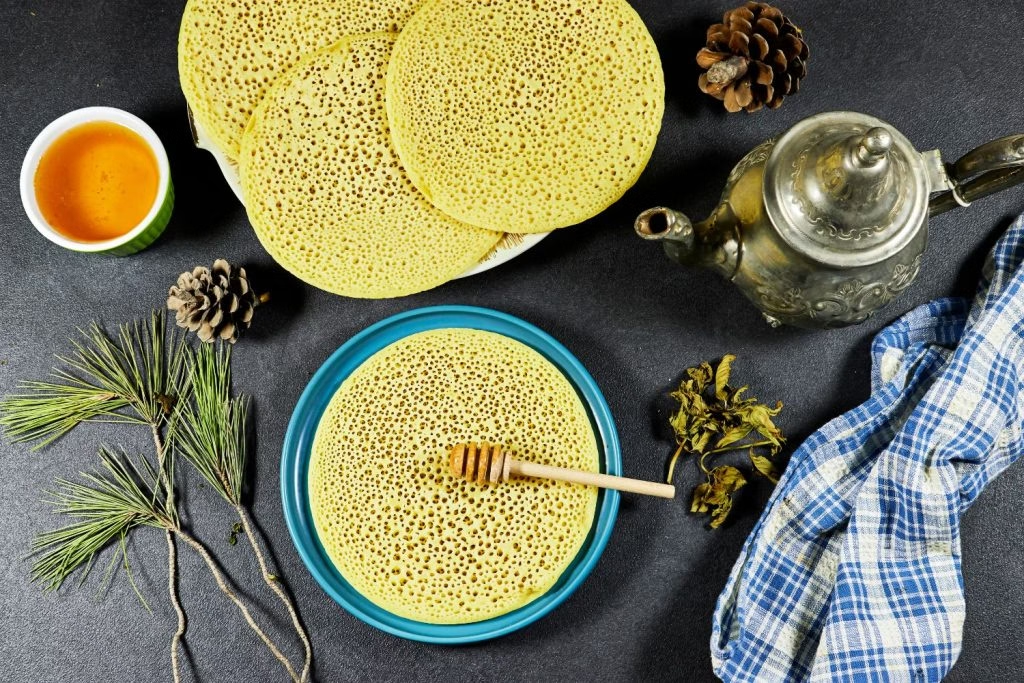
- Beghrir — semolina pancakes covered in tiny holes, served with butter and honey. Sometimes called thousand-hole pancakes.
- Sellou — a dense, unbaked mixture of toasted flour, almonds and sesame, energy-rich and eaten in Ramadan and after childbirth.
- Sfenj — fried dough rings, best bought hot from a street fryer in the morning.
What to drink
Mint tea
Gunpowder green tea with a fistful of spearmint and a great deal of sugar, poured from height to aerate it and build a head of foam. The pouring is not showmanship; it is part of the method. Tea is an offer of hospitality and refusing it outright is a small rudeness, so accept a glass even if you leave most of it. You can ask for it with less sugar.
The rest
- Fresh orange juice — pressed to order, cheap, and everywhere. The stalls in Jemaa el-Fna are an institution.
- Lben — thin fermented buttermilk, sour and cooling, traditionally drunk with couscous.
- Raib — a sweeter fermented milk drink.
- Coffee — strong, often spiced, and central to café culture.
- Alcohol — available in licensed restaurants, hotels, riads and larger supermarkets, but not widely, and not at all in most medina eateries.
How a meal works
Lunch, not dinner, is the main meal for most Moroccan families. Dishes are shared from a communal plate, eaten with the right hand and bread rather than cutlery, and you eat from the wedge in front of you rather than reaching across. Your host will push the best pieces of meat towards you; that is the point of the gesture, so accept it.
Wash your hands before and after, which is why a jug and basin often appear at the table. And expect to be offered more after you are full: one polite refusal is rarely taken as final.
Regional differences
- Fes — the most refined tradition in the country, and the home of the best pastilla.
- Marrakech — tangia, mechoui, and the street food of Jemaa el-Fna.
- Essaouira and the Atlantic coast — grilled sardines straight off the boat, seafood pastilla, and fish tagine.
- The Atlas and the south — simpler and heartier: barley, berkoukes pasta, dried meat and lamb.
- The Sahara — madfouna, sometimes called Berber pizza: a stuffed flatbread baked in sand and embers.
- The Souss around Agadir — argan oil and amlou, the almond, argan and honey spread that is Morocco’s answer to nut butter.
Vegetarians and dietary needs
Vegetarian eating is straightforward: vegetable tagine, couscous, the whole range of salads, bean soups, bread and eggs. The one thing to check is that a vegetable tagine has not been built on a meat broth, which is common. Vegan is harder because of butter, eggs and honey, but manageable with notice. All meat is halal by default. Nut allergies need care, as almonds are everywhere in both sweet and savoury cooking.
Eating well rather than eating nearby
- Look for a short menu. A place offering forty dishes is reheating most of them.
- Eat couscous on a Friday and tagine where you can see the pots on the fire.
- Take a cooking class. Shopping in the souk and then cooking what you bought teaches you more in a morning than a week of restaurants.
- Eat in a home if you get the chance. The best Moroccan food is domestic, not commercial, which is why a meal cooked by a dada in a riad usually beats the restaurants around it.
- Ask your driver. On a private tour this is the single best food tip available: drivers eat lunch at the places that are actually good and are pleased to be asked.
Eating your way around Morocco
Because the cooking changes by region, food is a good reason to cross the country rather than stay in one city. Our 3-day desert tour from Marrakech to Fes passes from tangia country through the oasis valleys to the pastilla capital, and a longer route like the 15-day Morocco tour adds the Atlantic coast and the Souss.
Every tour we run is private, so we can build in a cooking class, a market visit or a home-cooked dinner wherever it fits. See our Morocco tours, read about craftsmanship in Morocco for the workshops behind the tableware, or tell us you want to eat well and we will plan around it.
Frequently asked questions
What is the national dish of Morocco?
Couscous is the national dish, traditionally eaten on Fridays after midday prayers. Tagine is the most widely eaten and the most famous internationally, but couscous holds the ceremonial place.
Is Moroccan food spicy?
No. Moroccan cooking is aromatic rather than hot, built on cumin, paprika, ginger, saffron, cinnamon and ras el hanout. Chilli appears mainly as harissa served on the side, so you control the heat yourself.
What should I eat in Morocco as a first-time visitor?
Chicken tagine with preserved lemon and olives, couscous on a Friday, pastilla, harira soup, zaalouk with bread, and mint tea. Add grilled sardines if you reach the Atlantic coast and tangia if you are in Marrakech.
Is Moroccan food good for vegetarians?
Yes. Vegetable tagine, couscous, cooked salads, bean soups, bread and eggs are all widely available. The one thing worth checking is that a vegetable tagine has not been made with meat broth, which is common practice.
Is street food in Morocco safe to eat?
Generally yes, applying the usual rules: eat where locals queue and turnover is high, choose food that is served properly hot, drink bottled water, and be cautious about raw salads at the cheapest stalls.
What is ras el hanout?
A Moroccan spice blend whose name means “head of the shop”, meaning the best a spice merchant has. It varies by seller and can contain anywhere from a dozen to forty spices, typically including cinnamon, cardamom, cumin, ginger, turmeric and rose petals.