Most Morocco itineraries fall apart for the same reason: they were planned on a map that makes the country look small, and executed on roads that make it feel enormous. Nobody plans badly on purpose. They plan on distances, when the thing that governs a Moroccan day is terrain, passes, light and the hour the sun sets on a dune.
We drive these routes every week, and the same handful of mistakes come up in enquiries over and over. None of them are exotic. They are all versions of one error: trusting a number rather than the ground. Here is what breaks, why, and what to do instead.
Morocco is bigger than it looks
Morocco is roughly the size of France, with a mountain range through the middle and a desert behind it. On a screen, Marrakech to Merzouga looks like a morning. On the ground it is most of a day: the road climbs to nearly 2,300 metres at Tizi n’Tichka, drops to Ouarzazate, then runs east through the Dades and the Ziz before the first dunes appear.
Nearly every mistake below comes from that mismatch, so fix the mental model first: in Morocco, plan in half-days and passes, not kilometres.
Distance mistakes
Treating Merzouga as a day trip from Marrakech
This is the most common single error in our inbox. Marrakech to Merzouga is nine to ten hours of driving each way. A day trip would mean twenty hours in a car to stand on a dune in the dark. It cannot be done, and any operator selling it is selling you Agafay instead, which is a stony desert forty minutes from the city and not the Sahara.
If you have one night, go to Zagora, which is reachable in about seven hours and has real dunes at Tinfou. If you want Erg Chebbi, the great sand sea at Merzouga, budget three days minimum from Marrakech.
Adding Chefchaouen to a Marrakech-based trip
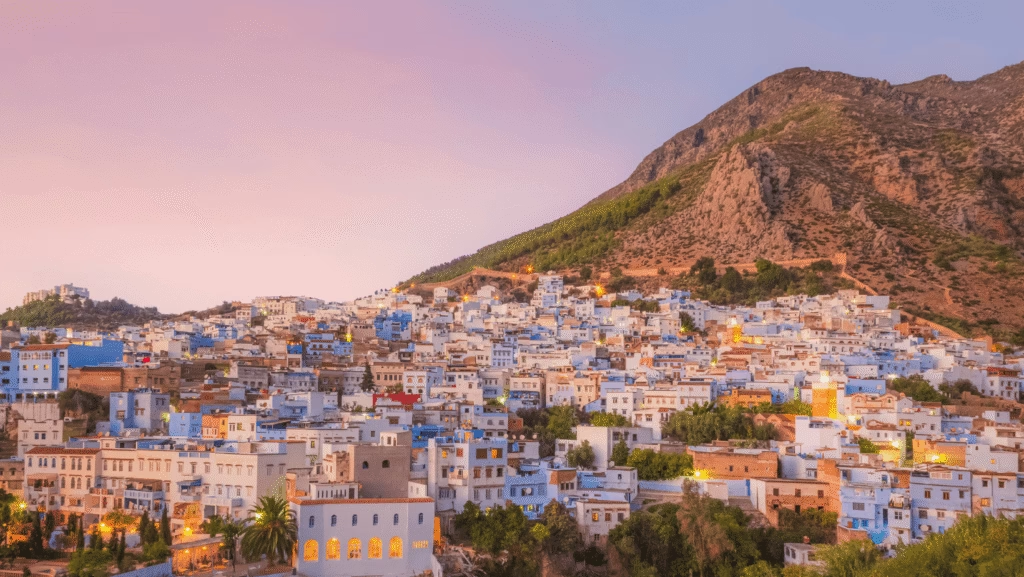
Chefchaouen is beautiful and it is in the far north. Marrakech to Chefchaouen is eight to nine hours. People routinely plan it as a side trip from a Marrakech base and lose two full days to the road. Chefchaouen belongs to a northern loop with Fes, Tangier and Meknes, or to a one-way route that starts in the north and finishes in the south.
Booking Fes and Marrakech with one night in each
They are two of the most layered cities in North Africa and they are eight hours apart. One night each gives you one afternoon each, most of which goes on arrival, dinner and sleep. Two nights per imperial city is the realistic floor; three is when you stop rushing.
Timing mistakes
Trusting the driving time your map app gives you
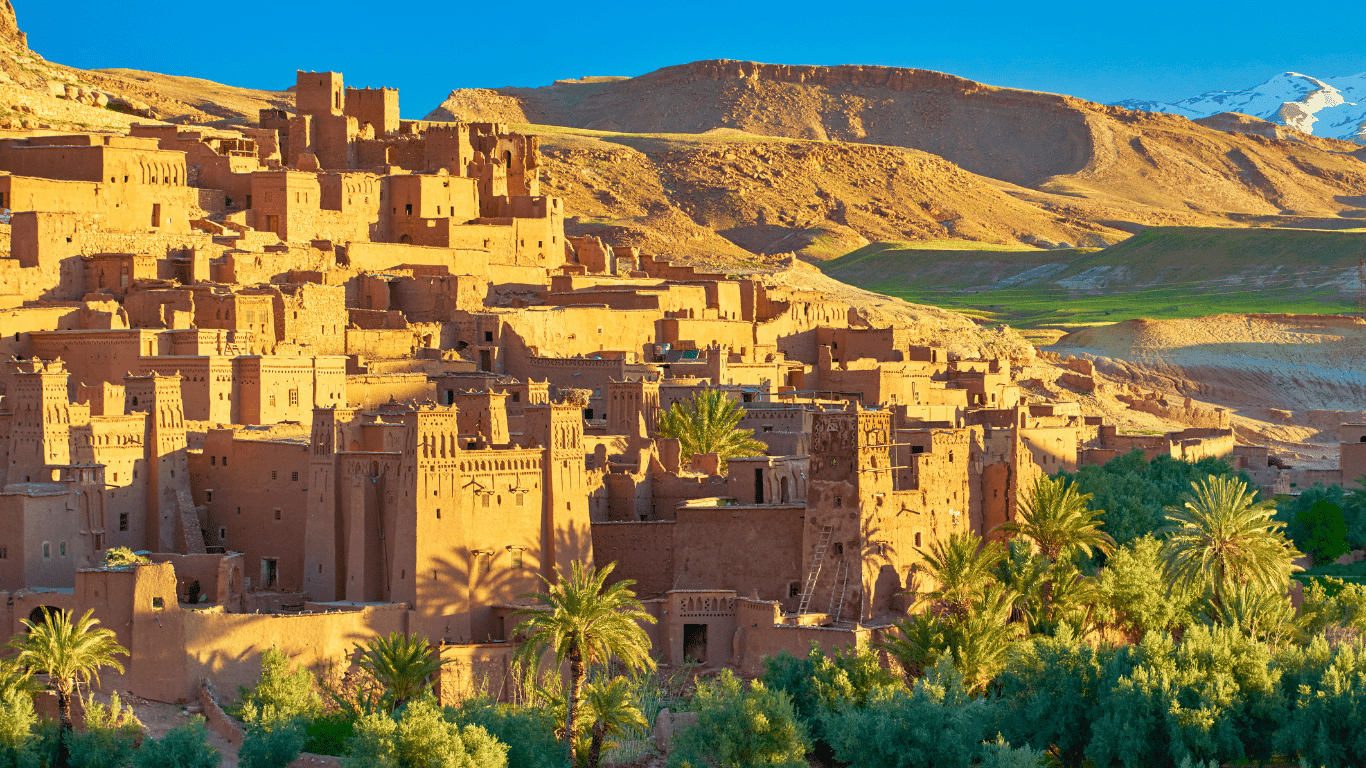
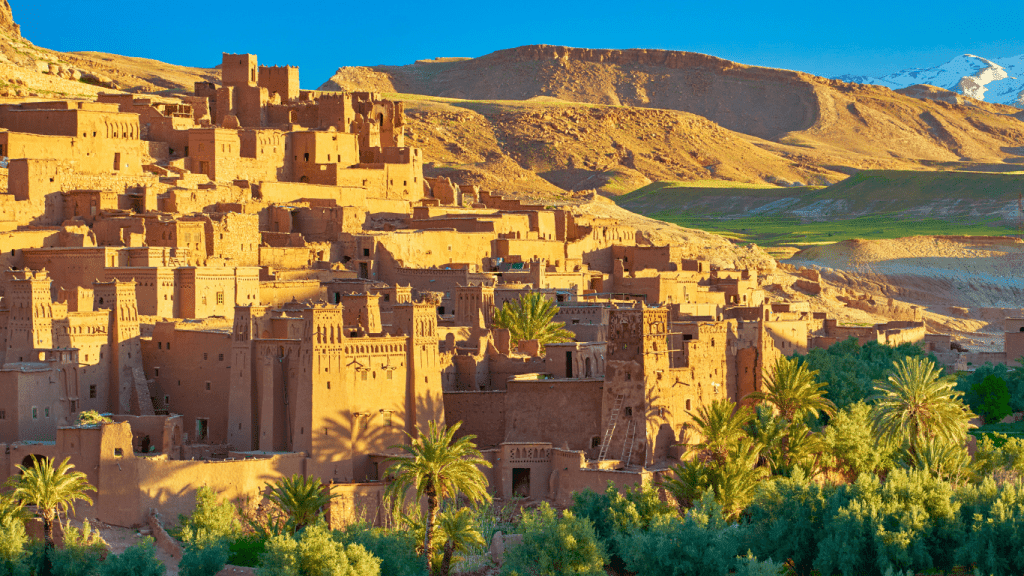
Map estimates assume a constant speed and no reason to stop. Moroccan mountain roads have hairpins, lorries grinding uphill, livestock, roadworks and police checkpoints. More to the point, you will want to stop: Ait Ben Haddou, a viewpoint over the Dades, an argan co-operative, mint tea in Tinghir. Add roughly thirty per cent to any app estimate, then add your stops on top.
Underestimating Tizi n’Tichka
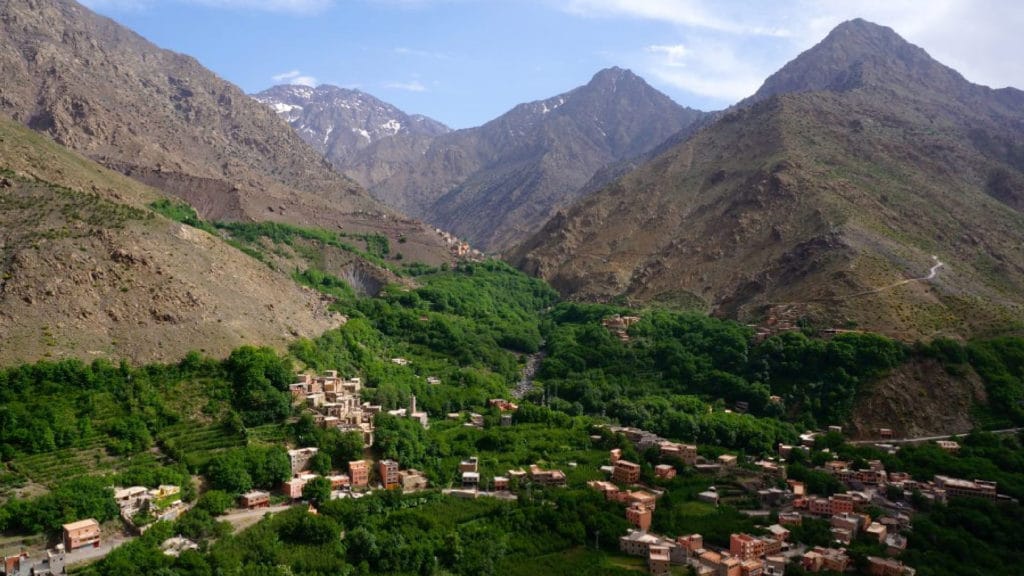
The pass between Marrakech and Ouarzazate is a spectacular piece of road and a slow one. Four hours is realistic, more in winter when snow or fog closes or slows it. Anyone who has written “Marrakech to Ouarzazate, 2.5 hours” into a schedule is about to run ninety minutes late before the day has properly begun.
Arriving at the desert camp after dark
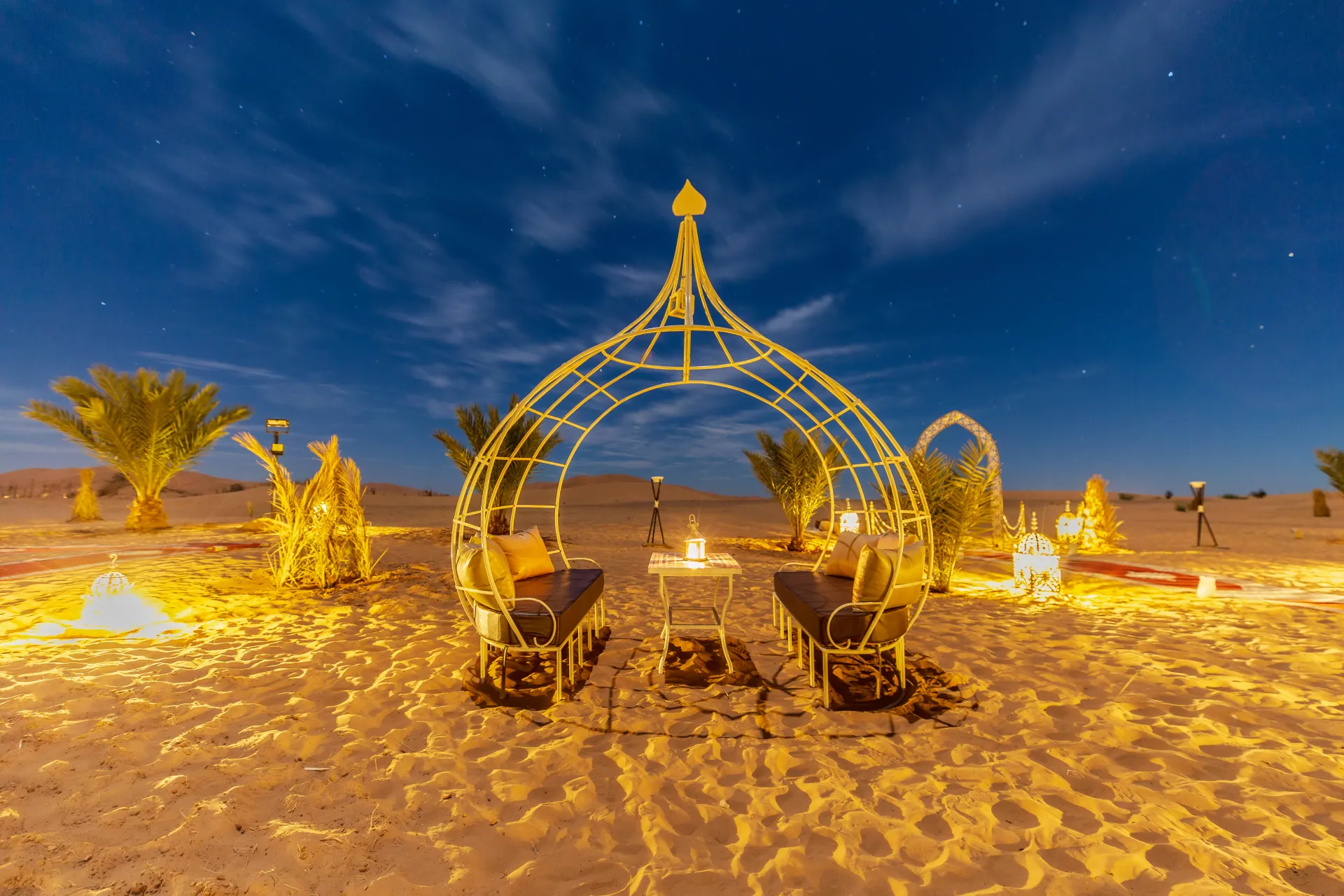
The camel ride into the dunes happens at sunset, and it is most of what people came for. Miss the light and you get a torchlit walk to a tent. If your drive to Merzouga starts late, or you have packed three sightseeing stops into the day, this is the part that gets sacrificed. Leave early and protect the last two hours of daylight above everything else on that day.
Logistics mistakes
Assuming public transport reaches the south
Morocco has a genuinely good train network, but it runs along the north and the coast: Tangier, Rabat, Casablanca, Fes, Marrakech. There is no train to Ouarzazate, the Dades, Merzouga or the Draa. There is no ride-hailing app in the desert. Once you are south of the Atlas you are dealing with long-distance buses on fixed schedules, shared grands taxis, or a driver. Plan the southern half of any trip on the assumption that you arrange the vehicle.
Flying into one city and out of the same city by default
Round-trip flights feel cheaper and often cost a day and a half of backtracking. Marrakech in and Fes out, or Tangier in and Marrakech out, turns a there-and-back into a line across the country and buys you two extra days of new scenery. Check open-jaw fares before you settle on a return.
Leaving no slack before the flight home
Roads close. Storms shut the Atlas passes for a day in winter, and flash flooding puts water across southern roads a few times a year. If your last desert night is the night before an early flight from Marrakech, one closed road is a missed plane. Sleep in the departure city the night before you fly.
Season and rhythm mistakes
Planning a July desert day as though it were April
Midday in the Sahara in July can pass forty-five degrees. A summer itinerary has to be built around that, not through it: early starts, a long shaded break in the middle, activity again from late afternoon. Itineraries that schedule a kasbah visit at two in the afternoon in August are written by someone who has not stood in it. Our guide to Morocco temperature and climate by month has the numbers.
Ignoring Friday and Ramadan
Friday is the main prayer day and the traditional couscous lunch. Some workshops and smaller restaurants close for part of the afternoon, and city traffic changes shape around midday. During Ramadan, tourism runs normally and monuments stay open, but daytime rhythms shift, some rural restaurants close, and the roads get busy just before sunset as everyone heads home to break the fast. Neither is a reason to avoid a date. Both are reasons to know before you build the day.
What a realistic itinerary looks like
Rough shapes that work on the ground, assuming a private vehicle and a driver.
Three days from Marrakech
Marrakech to the Dades via Tizi n’Tichka and Ait Ben Haddou; Dades to Merzouga with the Todra gorge, then camel ride and camp; Merzouga back to Marrakech, or on to Fes. Three days is the minimum for Erg Chebbi and it is a genuine drive.
Five days
The same desert run at a civilised pace, with an extra night in the Dades or Skoura and a morning that is not spent in the car. Or Marrakech, desert, and finish in Fes rather than doubling back.
Seven days
Marrakech, the Atlas, the desert, the Draa or the Ziz, then Fes with two nights. Room for Essaouira on the coast instead of one desert night if you prefer sea to sand.
Ten days
North and south in one line: Tangier or Fes, Chefchaouen, Meknes and Volubilis, across to the desert, up through the Atlas and out of Marrakech. This is the trip most people actually want when they describe what they want.
If you would rather not assemble it yourself, every route we run is private and written around your dates rather than a fixed departure. Our Morocco tours are a starting point, not a menu.
Frequently asked questions
Can you visit the Sahara on a day trip from Marrakech?
Not the real one. Merzouga is nine to ten hours each way. What is sold as a desert day trip from Marrakech is Agafay, a stony desert about forty minutes out with no sand dunes. It is a pleasant evening; it is not the Sahara. For Erg Chebbi allow three days, or go to Zagora for an overnight.
How many days do you need in Morocco?
Seven is the point where a trip stops feeling like a transfer schedule. Five works for one imperial city plus the desert. Ten lets you cross the country north to south without backtracking. Under four days, stay in one region.
Is it better to fly in and out of the same city?
Usually not. An open-jaw booking, in through Marrakech and out through Fes or the reverse, removes a full day of retracing your route. Check the fare difference before defaulting to a return.
How long is the drive from Marrakech to Fes?
About eight hours direct on the motorway, which is a wasted day. Nearly everyone should do it over two or three days through the Atlas and the desert instead, which turns the same journey into the best part of the trip.
Do I need a driver, or can I use buses and trains?
Trains are good between the northern cities and Marrakech. South of the Atlas there are no trains, and buses run on fixed schedules that rarely suit an itinerary. Most people arrange a driver for the southern leg even if they use trains in the north.
What is the single most common itinerary mistake?
Too many places, too few nights. The cure is subtraction: drop one destination and give those nights to the ones that remain. Nobody comes back wishing they had driven more.